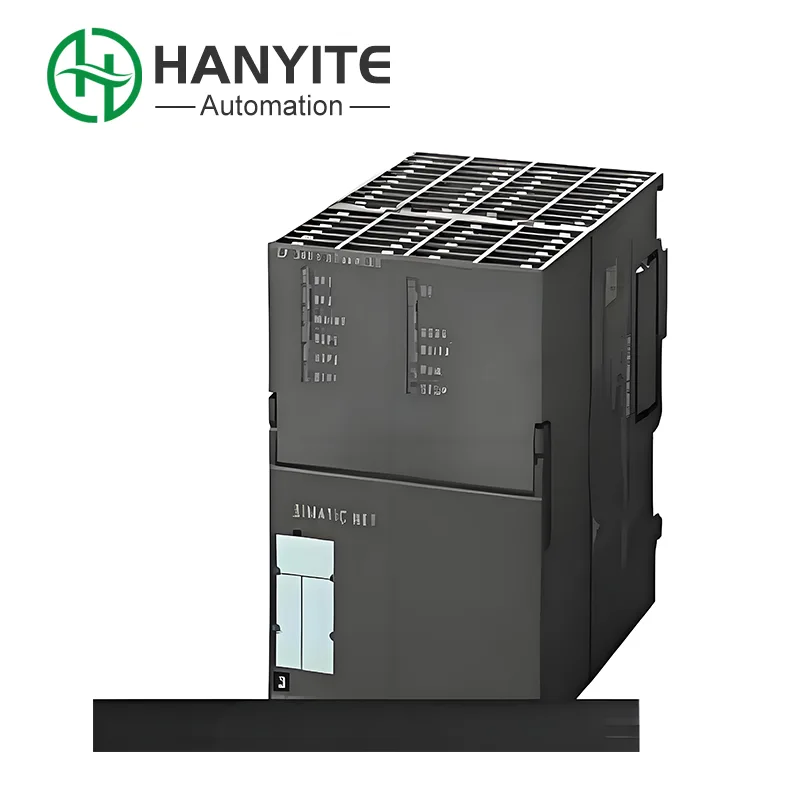



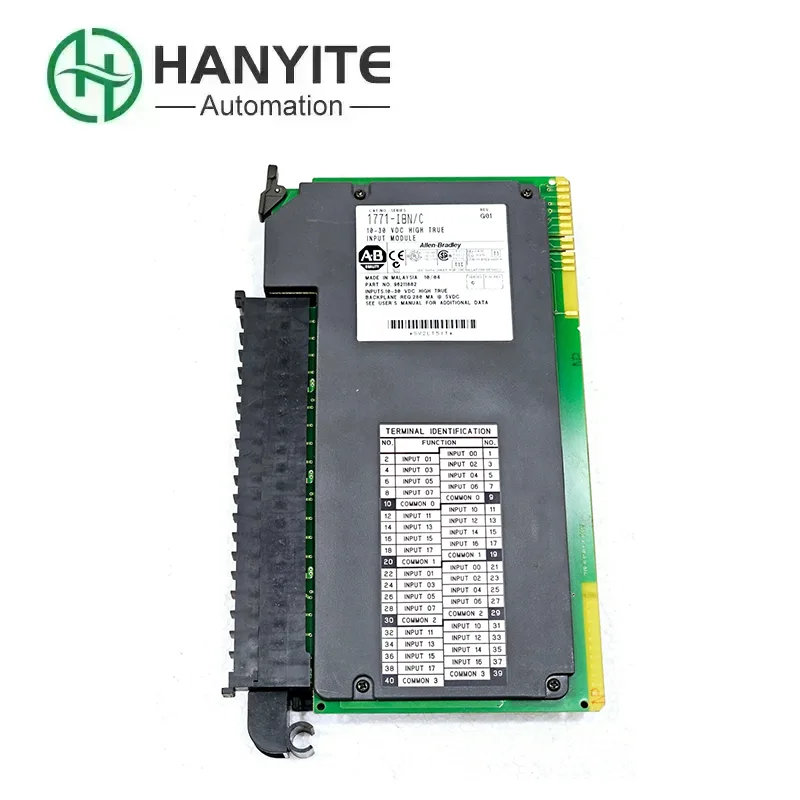
The Allen Bradley 1771-IBN, is a very classic input module under the Rockwell brand, belonging to the legendary PLC-5 series. You can think of it as the "ears and nerve endings" of the "parent figure" PLC-5. Its operation is very simple; it specifically "listens" to the signals from various switches and sensors on site, and then reports these "yes" or "no" signals in their entirety and without any alterations to the "brain" of PLC-5. It is a DC input module, extremely robust and durable, and is a fundamental component for building large and reliable industrial control systems. For many old equipment that require system customization or maintenance upgrades, finding reliable spare parts is crucial. We guarantee you an original, brand-new product, and it is currently in stock, ensuring the smooth progress of your project without the need for a long waiting period.
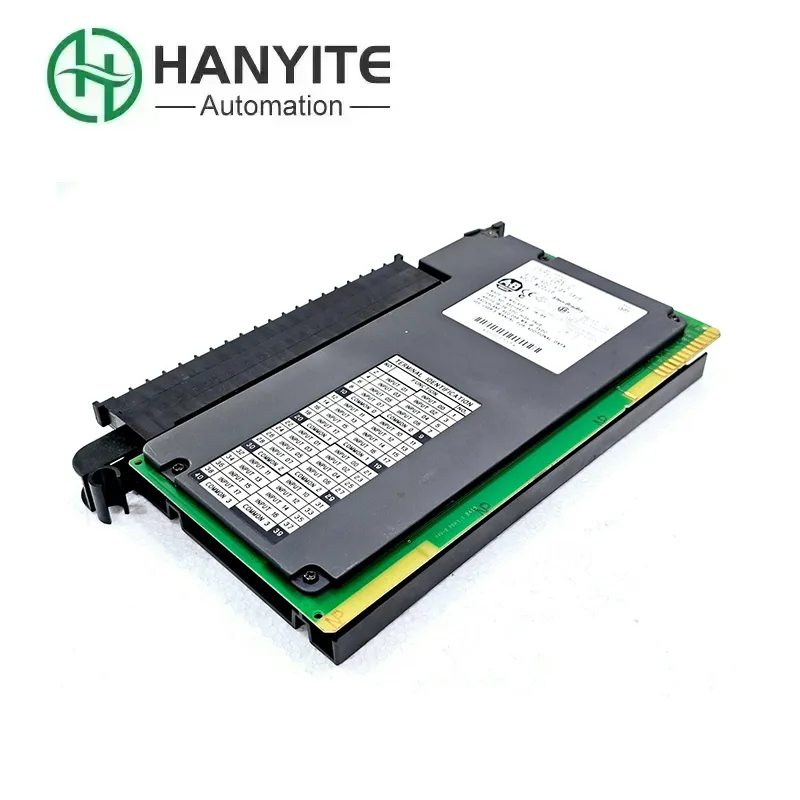
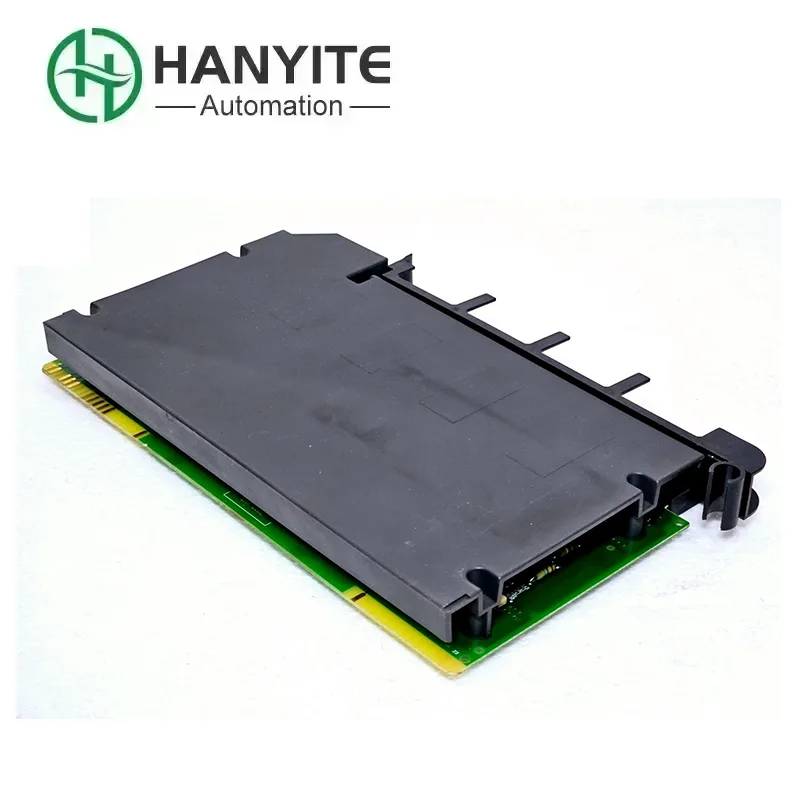
The Allen Bradley 1771-IBN has a very simple structure. You can understand it at a glance. It's just a large board card. Inside is the motherboard, and it's covered with chips and circuits. There are 32 screw terminals on the front, which are its "ears". The wires of the external sensors are all connected to these terminals. The most convenient part is that there is a small light under each screw. As long as the corresponding sensor has a signal, that small light will "pop" on. When checking for faults, you just need to look at the lights, which is very convenient. At the back, there is a long row of pins that are used to connect it to the PLC frame and communicate with the "brain". The outer shell is also very thick and very sturdy.
The Allen Bradley 1771-IBN’s greatest advantage is that it is "capable of accommodating". On a single module, there are 32 points. If your device has a strong signal, using it can save a lot of space. Moreover, it is not picky. It can recognize DC voltages ranging from 10V to 32V. Most sensors can be directly used. The small light mentioned earlier is also one of its major advantages. It is extremely convenient for programming and troubleshooting. It also has an "isolation barrier" inside, which can block external electric sparks and miscellaneous signals, protecting the PLC from being damaged. In summary, this thing is designed for factory environments. It is not afraid of vibrations or interference, and is very reliable to use.
1. As an original equipment module, its electrical characteristics and response time are highly standard and uniform. The delay and filtering parameters you set in the program will perform identically across hundreds or thousands of modules. You don't need to reprogram the system just because you replace a module.
2. The design lifespan of these modules is calculated in terms of ten or even twenty years. Many 1771 modules in factories have been operating stably for over a decade and still rarely encounter problems. This long-term reliability is unmatched by many inferior products.
3. No matter which country your factory is located in, the Allen Bradley 1771-IBN you purchase follow the same manufacturing and quality standards. This is crucial for the equipment maintenance of multinational companies.
Q1. I didn't use any of the buttons. The light was just flashing by itself. Is it broken or what happened?
A: Don't panic. This is most likely a "false signal". Unplug the wire connected to this button and see if it still flashes. If it doesn't flash anymore, it's a problem with the wire. Either the wire has been interfered with, or there's something wrong with the sensor itself. If it still flashes after unplugging, then it might be that this button is really broken, or the entire module is severely interfered with.
Q2. Can this module be directly connected to a button switch?
A: Of course! A button switch is the simplest type of sensor. Connect the positive side of the button to the positive terminal of the power supply (for example, 24V+), and the other end to the input point of the module. Connect the COM port of the module to the negative terminal of the power supply (0V). As soon as you press the button, the circuit is completed and the light on the module will turn on.
Q3. Is this module equipped with a fuse? If it burns out, can I replace it myself?
A: Yes, but it's not easy. The fuse is inside the module, not on the surface. You need to disassemble the module, it's a bit troublesome, and it must be the same model. If you don't do it right, it might be completely ruined. So generally, if it burns out, we usually recommend replacing it with a new module to avoid all this hassle.
Address
No. 169, Xinggang 2nd Li, Haicang District, Xiamen, China
Tel