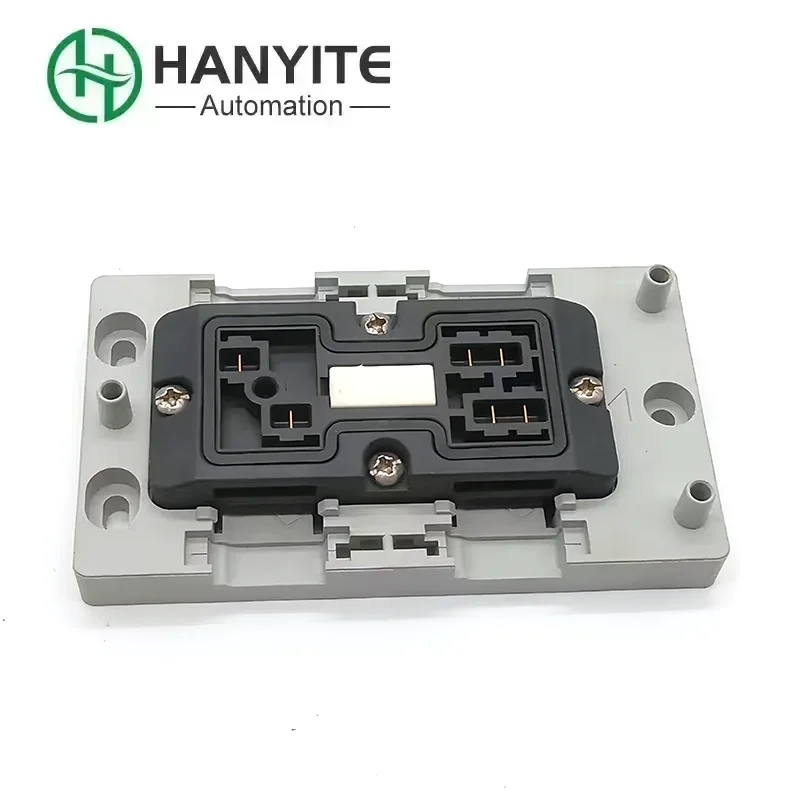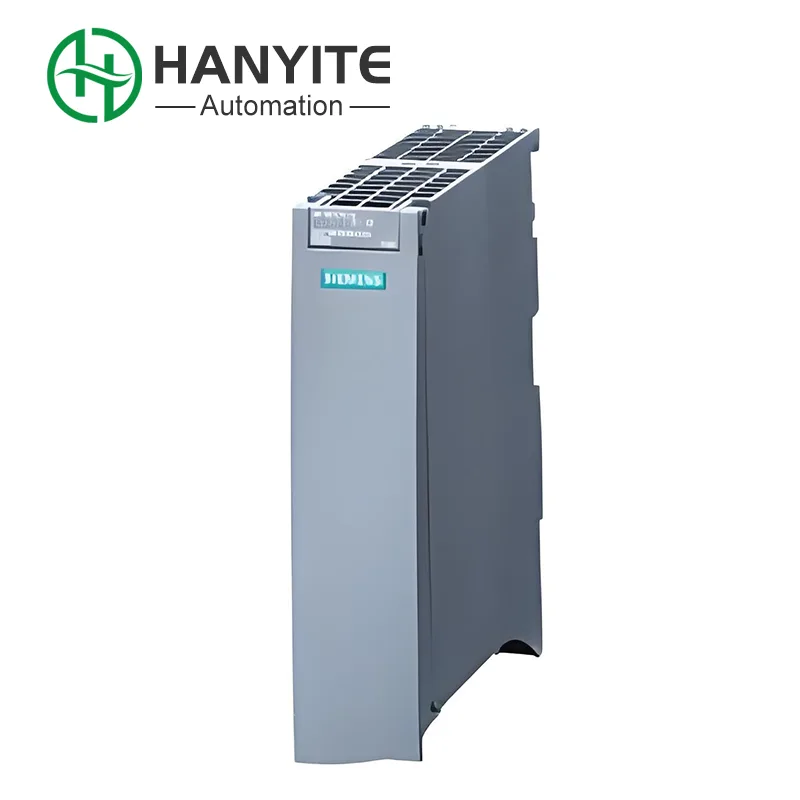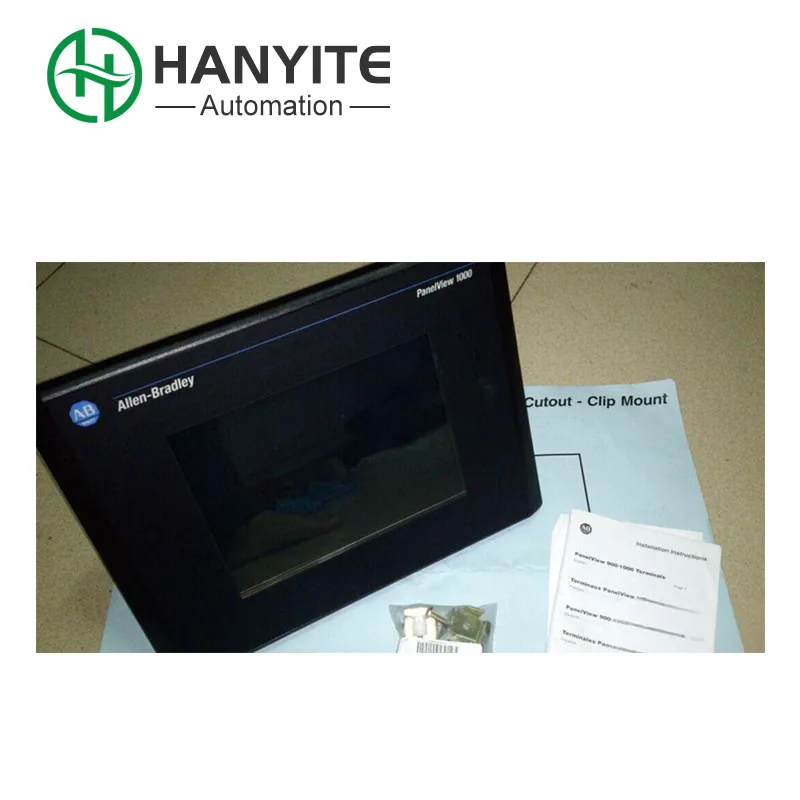


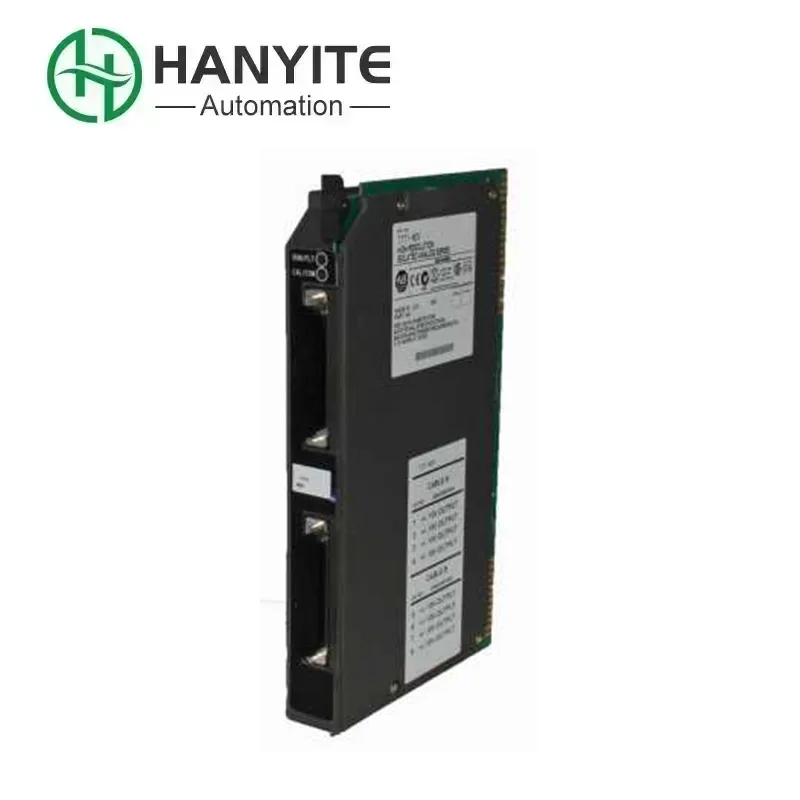
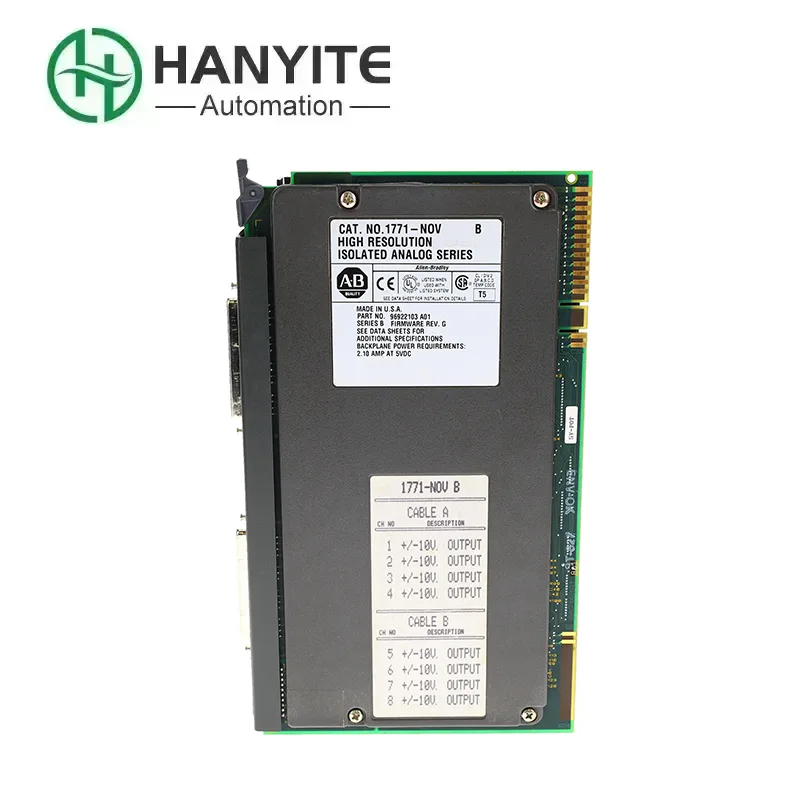
The Allen Bradley 1771-NOV, it's a very important "precision work expert" within the Rockwell brand family in 1771. If you've seen the IBN type module, it's for handling "on" or "off" type tasks. But this NOV is different. It specifically deals with those continuously changing signals. For instance, the water level in a water tank rises gradually, and the temperature in an oven also increases incrementally. These are not simple "yes" or "no" situations, but rather specific numbers. The work of it is to accurately "translate" the voltage and current signals received from the site into numbers, informing the PLC "brain" of the current situation. So, if you want to make some customized upgrades for your own equipment or replace a faulty module, finding the right place is extremely crucial. Here, we guarantee original and brand new products, and they are currently in stock. You don't have to wait; you can take them and use them right away, without any delay.
|
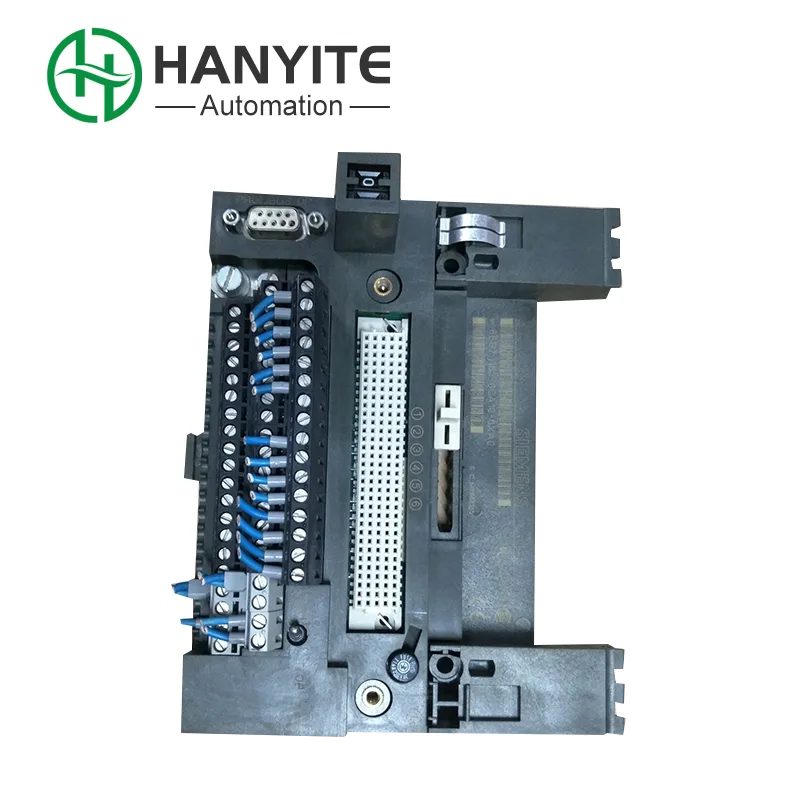
1. Terminal block: |
There are two rows of screws on the front side, used for connecting signal lines. Each channel has 3 points: one for connecting the signal, one for connecting the common terminal, and the other is specifically for connecting the shielding wire to prevent interference. |
|
2. Small switch (DIP): |
On the side of the module, there is a group of small switches that need to be toggled with tweezers. This is its "menu". You have to manually tell it: "Port 1 I am connecting current, Port 2 I am connecting voltage..." If it is not set properly, it won't work. |
|
3. Indicator lights: |
There are two lights on the panel. One is a green "ACTIVE" light that is on, indicating that it is working properly. One is a red "FAULT" light that is on, meaning there is a problem, and it is calling you to check. |
|
4. Inside: |
The most valuable part inside is the high-precision A/D conversion chip, along with a bunch of anti-interference circuits, ensuring that the signals it "hears" are clean and not distorted. |
On-site sensors (such as temperature transmitters)
Generate 4-20mA current signals
Connect to the input terminals of Allen Bradley 1771-NOV through shielded twisted-pair cables
The A/D converter inside the module converts the analog signal into a 12-bit digital signal
The digital signal is transmitted through the PLC backplane to the PLC-5 CPU
The CPU reads this value in the program, performs judgment, calculation or display.
1. Make the control more "smart", with this feature, the PLC will no longer be a "dumb guy" that just keeps turning on and off randomly. The Allen Bradley 1771-NOV can adjust the power gradually based on the precise temperature value, thus saving energy and improving product quality.
2. Make the process "transparent", operators can see the real-time temperature and pressure on the computer screen, having a clear understanding of the situation on the production line, just like having a "God's perspective".
3. Find faults faster. If the sensor wire breaks or short circuits, this module can immediately detect it and report it to the PLC. You can figure out which wire is the problem by looking at the program, without having to search everywhere with a multimeter, saving a lot of trouble.
1. The Allen Bradley 1771-NOV is the "original wife" of PLC-5. The two are a perfect match. Once plugged in, they can be used immediately and communicate without any obstacles. They are very stable.
2. In Rockwell's programming software, there is a dedicated graphical interface for you to set it up. Just click a few times with the mouse to select the type of channel and range. It's very convenient and you don't need to remember any complicated codes.
3. It doesn't have to stay next to the PLC. Instead, it can be placed in a "small outpost" (remote rack) that is very close to the field equipment through a remote I/O link. This way, the signal lines are shorter, less likely to be interfered with, and the measured data is more accurate.
4. Although it is based on the old platform of PLC-5, the sensors and cables it connects are all standard. In the future, if you want to upgrade to a more advanced ControlLogix system, those sensors and cables can still be used. You just need to replace the corresponding new module. The old investment is not wasted.
Address
No. 169, Xinggang 2nd Li, Haicang District, Xiamen, China
Tel