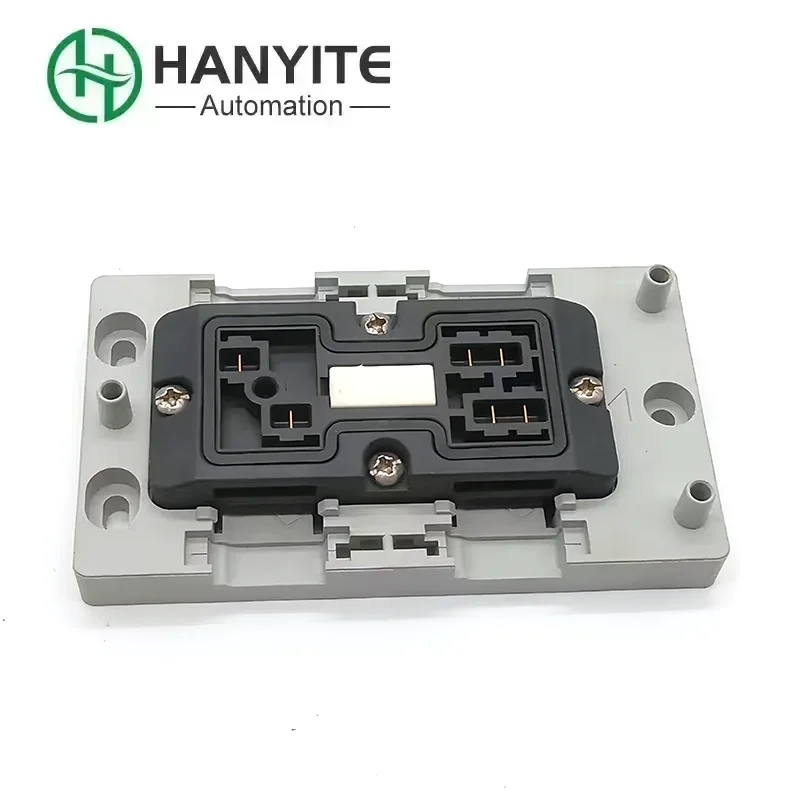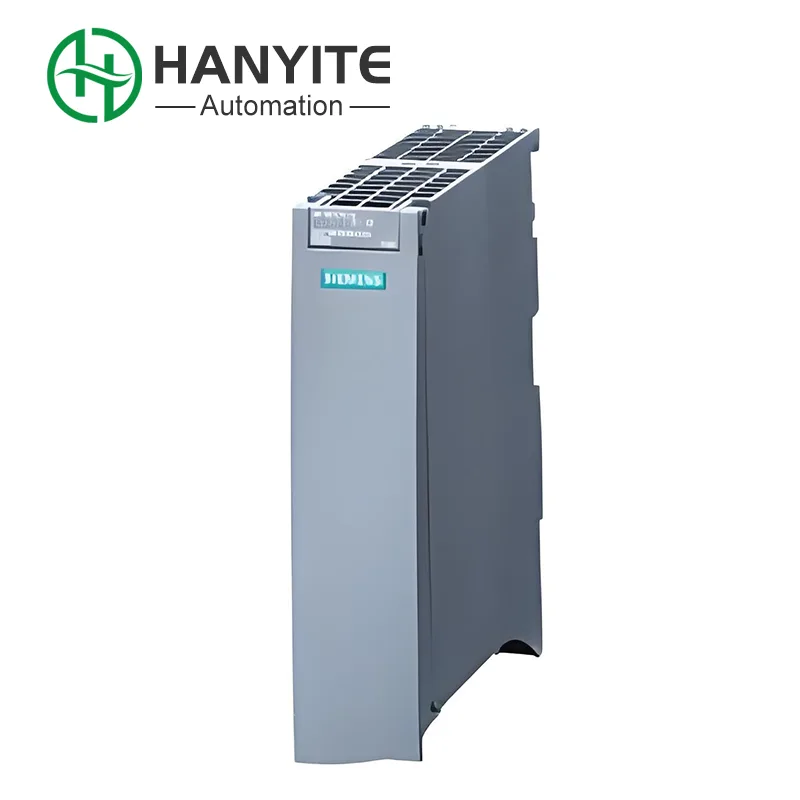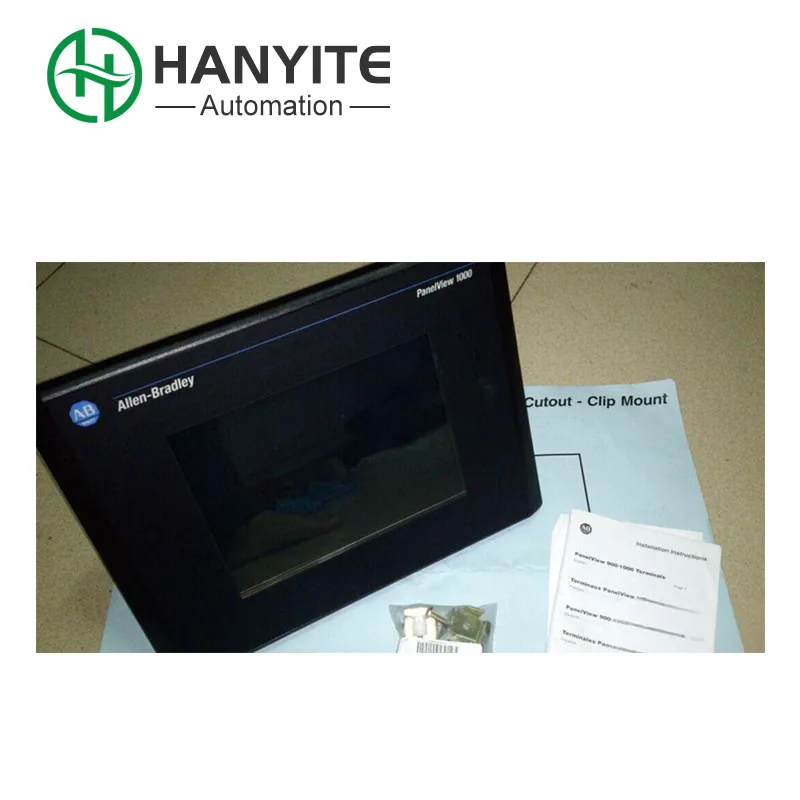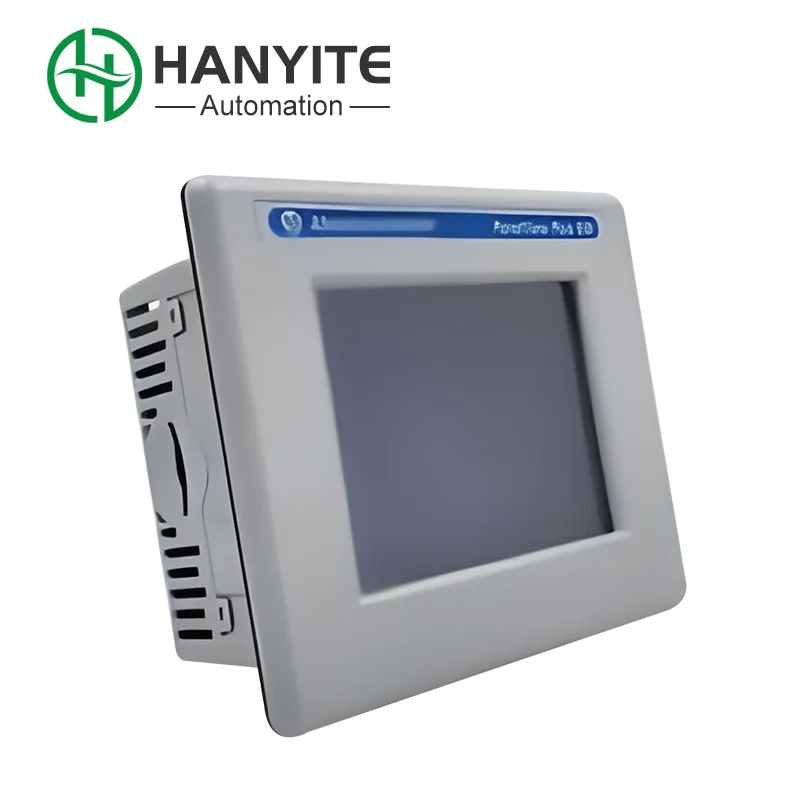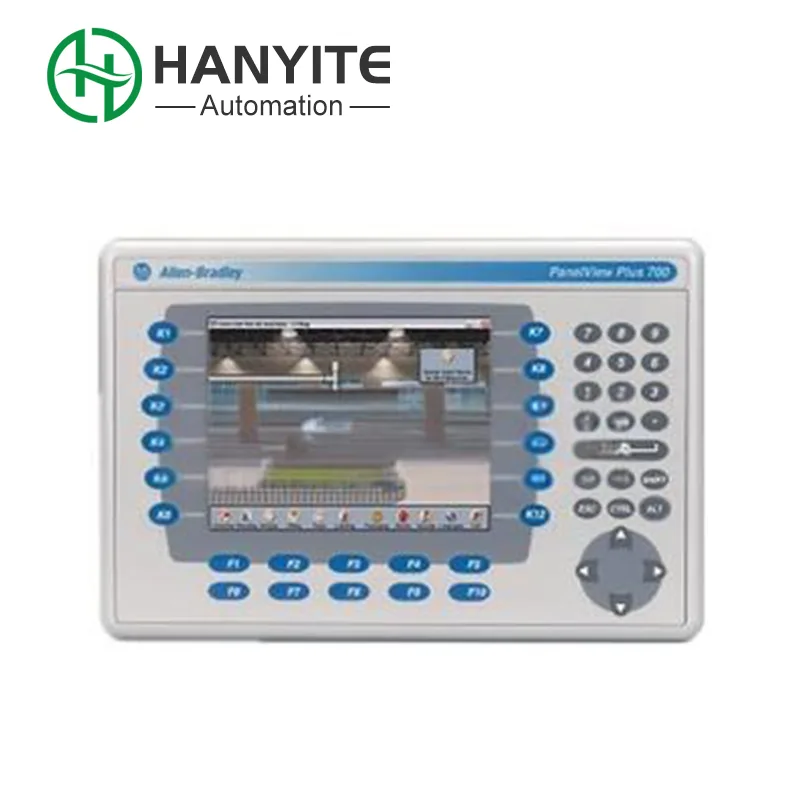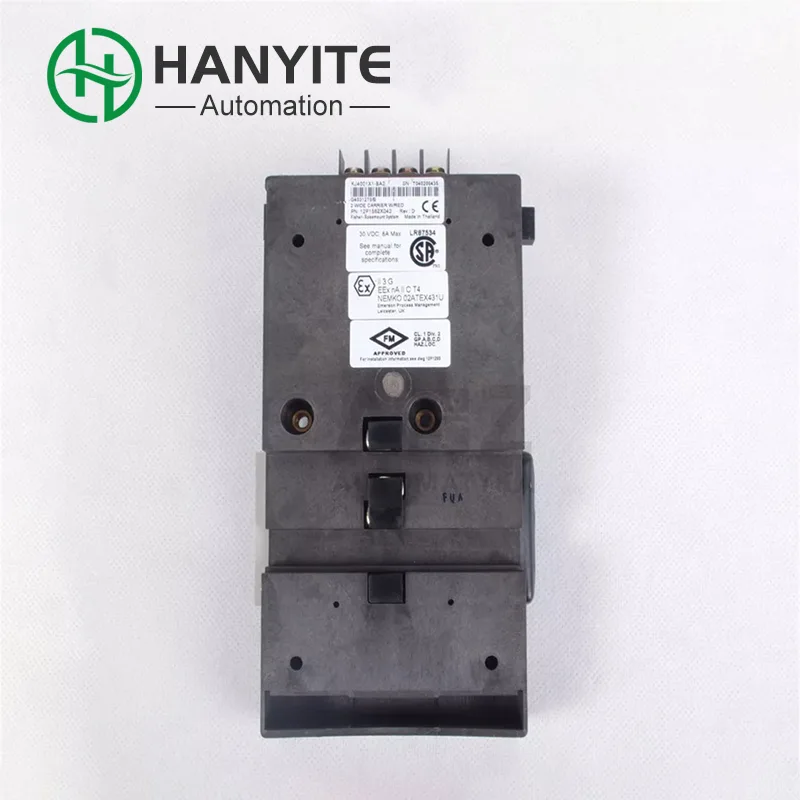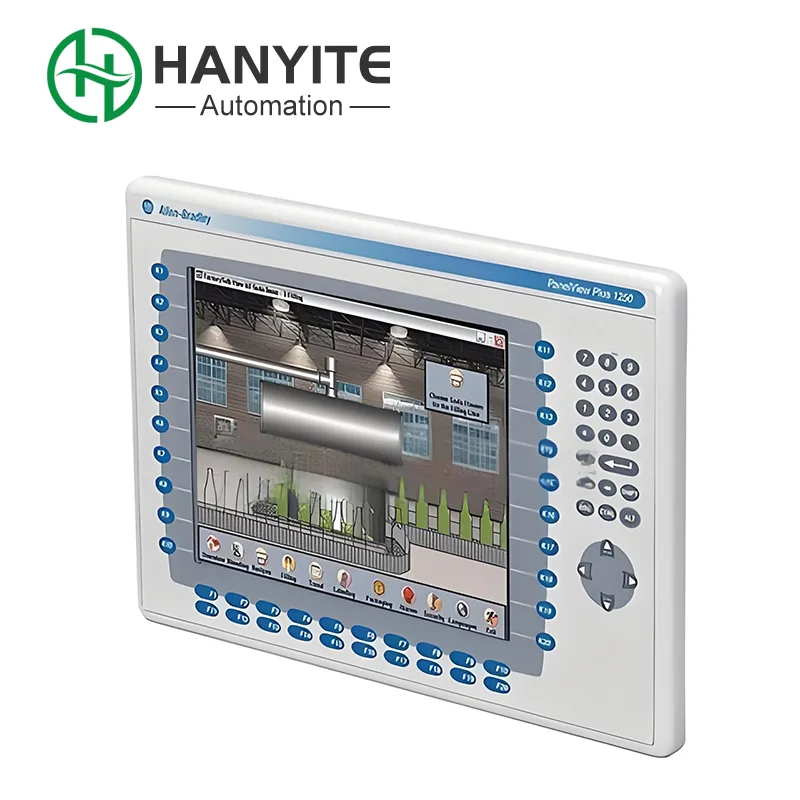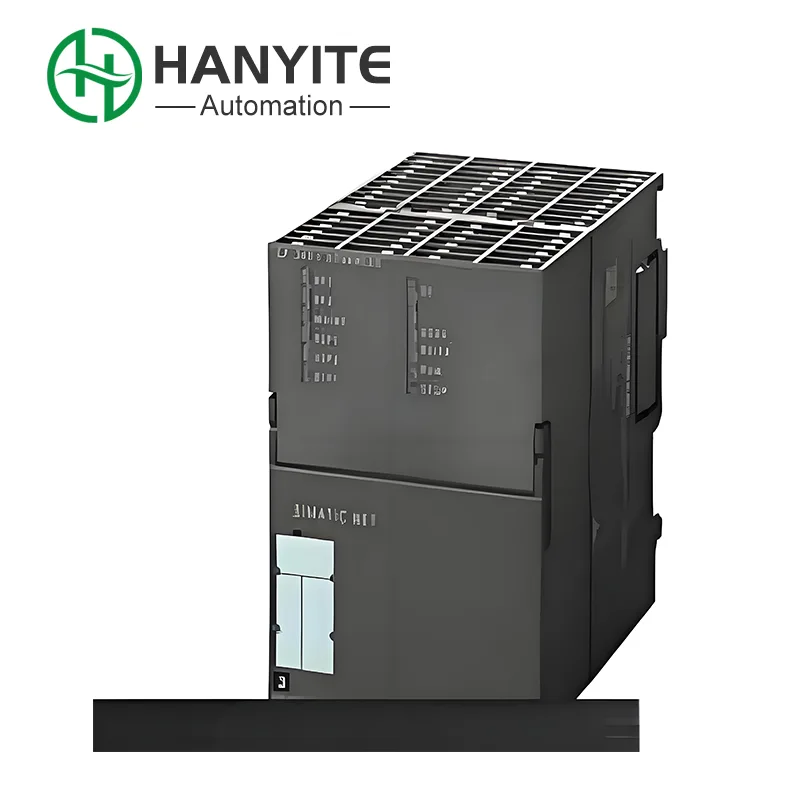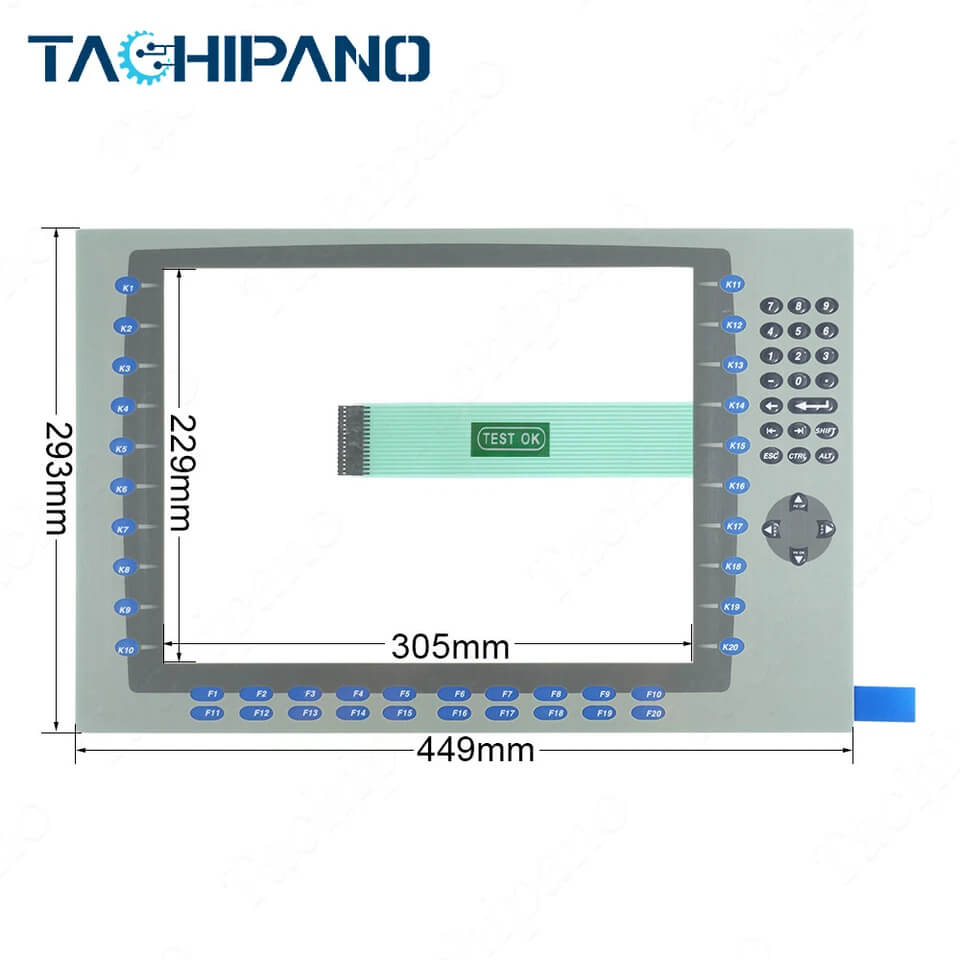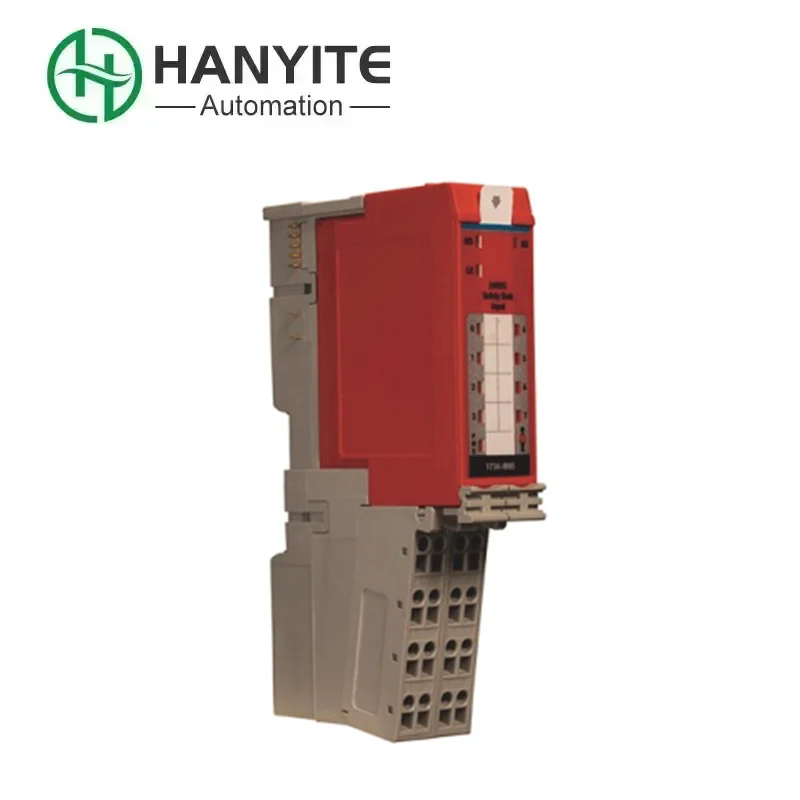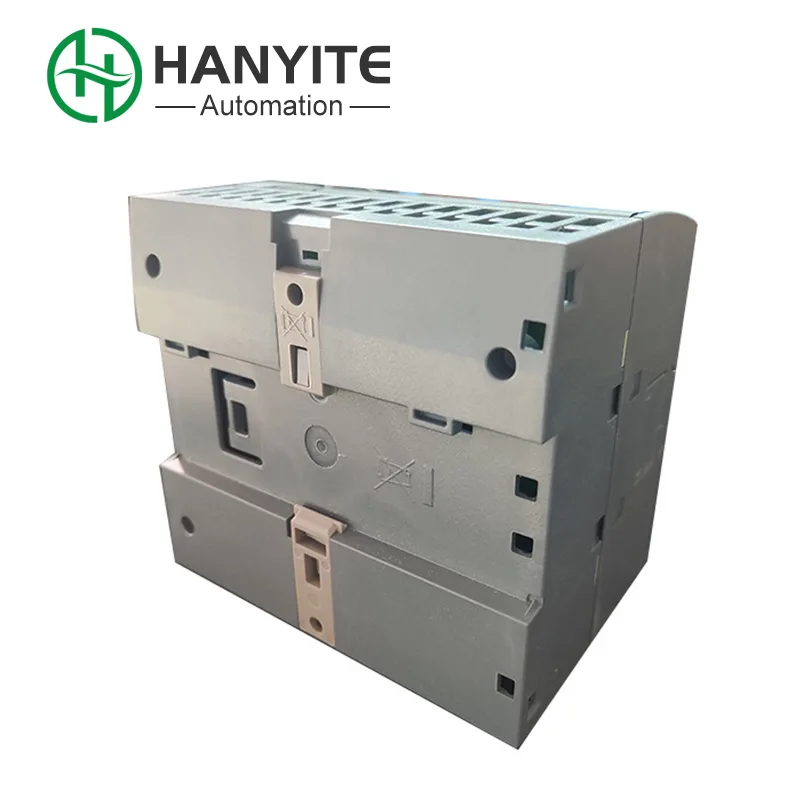



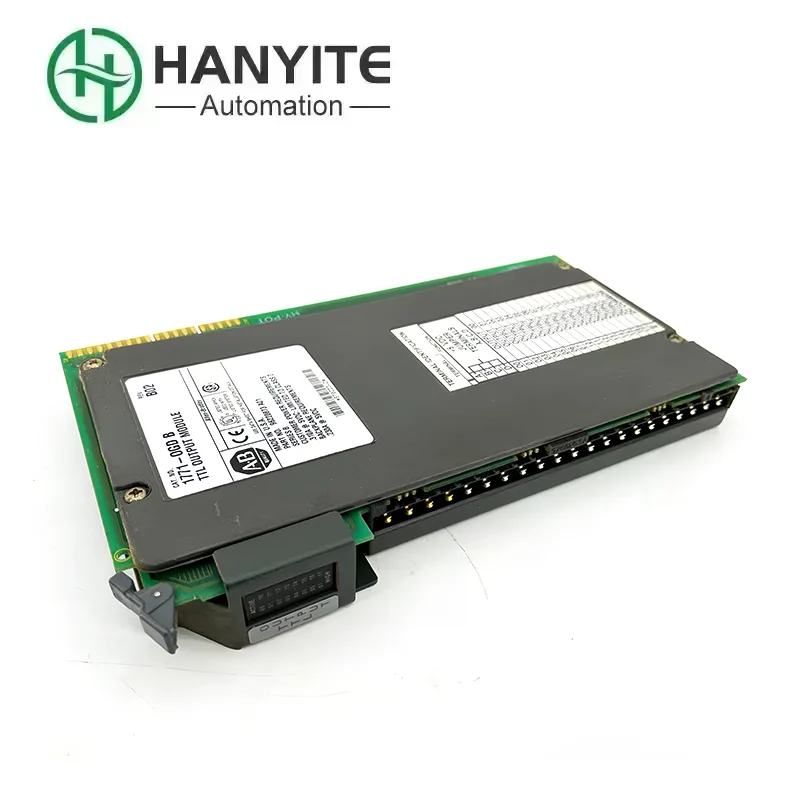
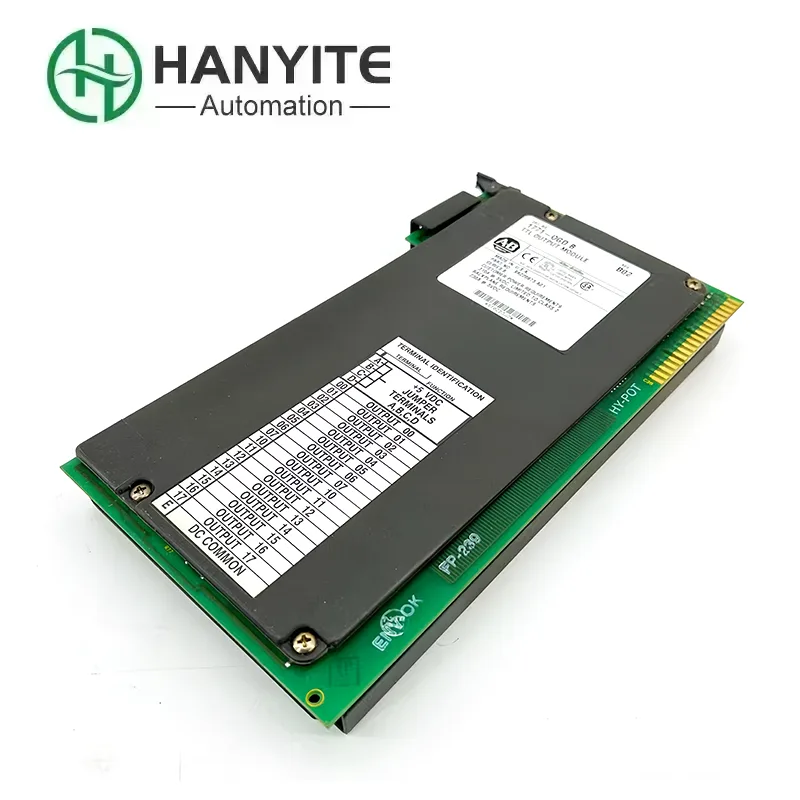
Allen Bradley 1771-OGD is essentially a digital output module. The PLC itself processes digital signals, but devices like valves and frequency converters don't understand digital signals; they only recognize analog current or voltage signals. What the Allen Bradley 1771-OGD does is to precisely convert the digital instructions from the PLC into 4-20mA current signals or 0-10V voltage signals, to control the speed and magnitude of the actions of the on-site equipment. It is a signal converter, responsible for translating the digital language of the PLC into the analog language that the equipment can understand. We currently have original, brand-new high-quality inventory, and can provide technical support based on your project requirements, as well as customized solutions.
|
Module type: |
4-channel analog output module |
|
Output signal type: |
Current / Voltage |
|
Current output range: |
4–20 mA, 0–20 mA, or 0–21 mA |
|
Voltage output range: |
0–10 V DC, ±10 V DC, or 1–5 V DC |
|
Resolution: |
12 bits (4096 steps), indicating high control accuracy |
|
Backplane current requirement: |
Approximately 1.2 A (from 1771-5.1V bus) |
|
External power supply: |
Requires a separate 24V DC power supply |
|
Operating temperature: |
0–60 °C (32–140 °F) |
|
Compatibility: |
Mainly used for PLC-5 and SLC 500 series controllers |
The core function of the Allen Bradley 1771-OGD can be summed up in one word: "Transfer"! It is like a translator, specifically converting the "digital language" spoken by the PLC's brain (such as numbers ranging from 0 to 4095) into the "analog language" that external devices can understand (which is 4-20mA current or 0-10V voltage). It has 4 independent "translation rooms", allowing you to have one control how wide the valve opens, and another adjust how fast the motor runs, each doing its own job without interfering with each other. Moreover, it is very responsible. It constantly checks its own working status. If any wire breaks or shorts out, it will immediately report to the PLC, letting the system know that there is a problem.
When the it comes to getting it up and running, it's not like those "dumb" modules that just plug in and work. You need to do a bit of manual work and use your brain. First, the wiring can't be sloppy. You need to provide a separate 24V power supply for it, and the terminals for the current and voltage lines also need to be inserted in the correct places. Then, in the computer software, you also have to tell the PLC where this module is placed in the slots, and for each channel, you need to specify which "dialect" it should use (whether it's output current or voltage). The most crucial step is to make a "conversion" in the program. For example, if you want to open the valve at 50%, you need to convert this 50% into a number that the module can understand (such as 2048) and then send it to it. The entire process is somewhat like learning to drive a manual car. At first, you think there are too many steps, but once you learn it, it becomes very convenient to operate.
To put the Allen Bradley 1771-OGD simply, the greatest advantage of using it is that it enables you to achieve "precise and stable" control. Because it has high precision, you no longer simply turn the equipment on or off, but can finely set it to 37.5% so that the quality of the products produced is high and the defect rate is low. Moreover, it works very reliably and can detect wiring problems by itself and give an alarm, avoiding damaging the equipment or causing accidents due to control failure. For those factories still using the old system, this module is a treasure. It is robust and durable, and spare parts are easy to find. It allows you to keep the old equipment well-maintained at a low cost and continue to create value stably.
Q1. The OK light is not on. What should I do?
A: Is the plug inserted tightly? Is the electricity connected? Still not on? Then it's probably that the module has "broken down". Replace it.
Q2. The program has output, but there's no response at the site?
A: Use a multimeter to measure if the "mouth" (output terminal) of the module is "breathing" (voltage and current). If there is, it's the fault of the connecting wires or the equipment; if not, it's that the module is not "speaking".
Q3. Why is it necessary to supply power separately for it?
A: The power supply for the rack is "mental work", while the analog output is "physical work". The physical work needs an additional 24V power supply.
Address
No. 169, Xinggang 2nd Li, Haicang District, Xiamen, China
Tel