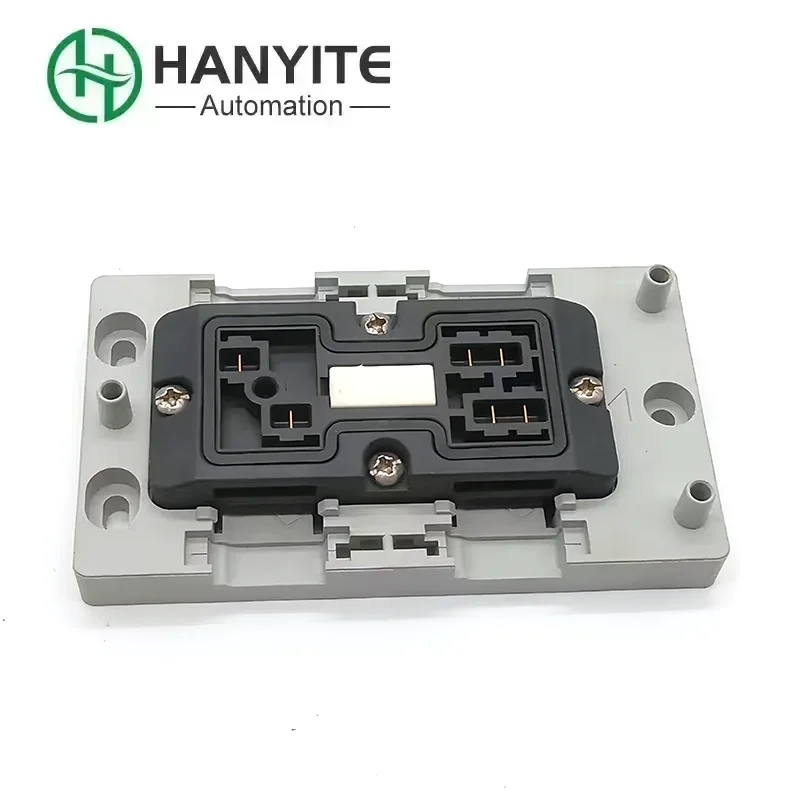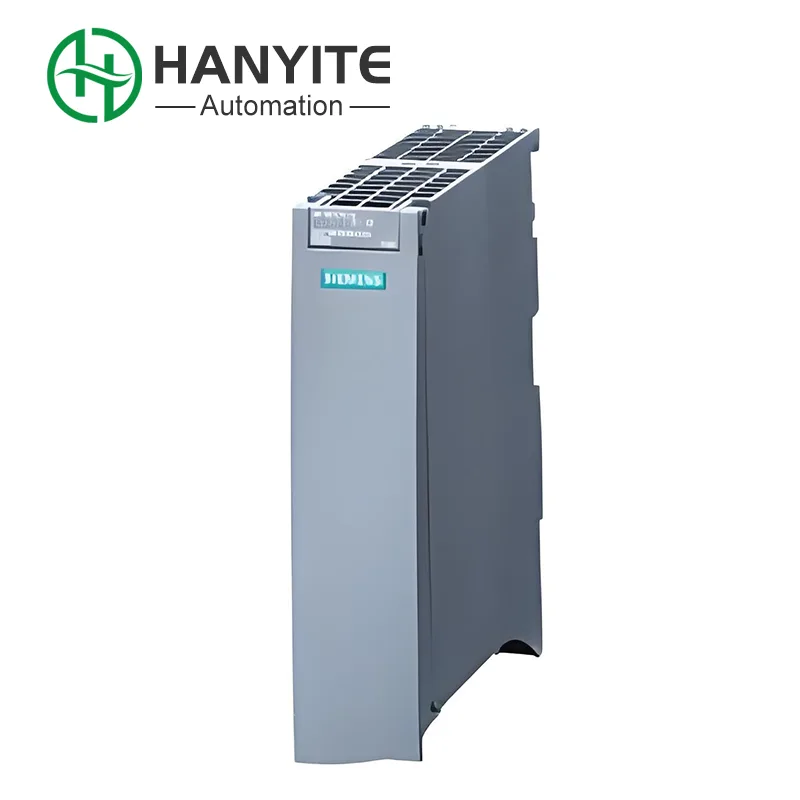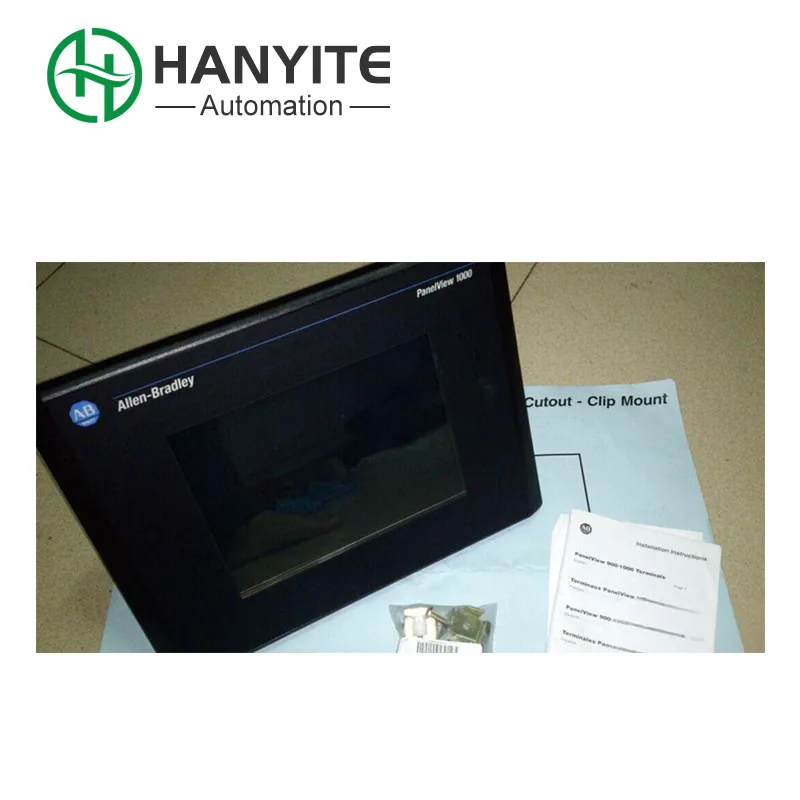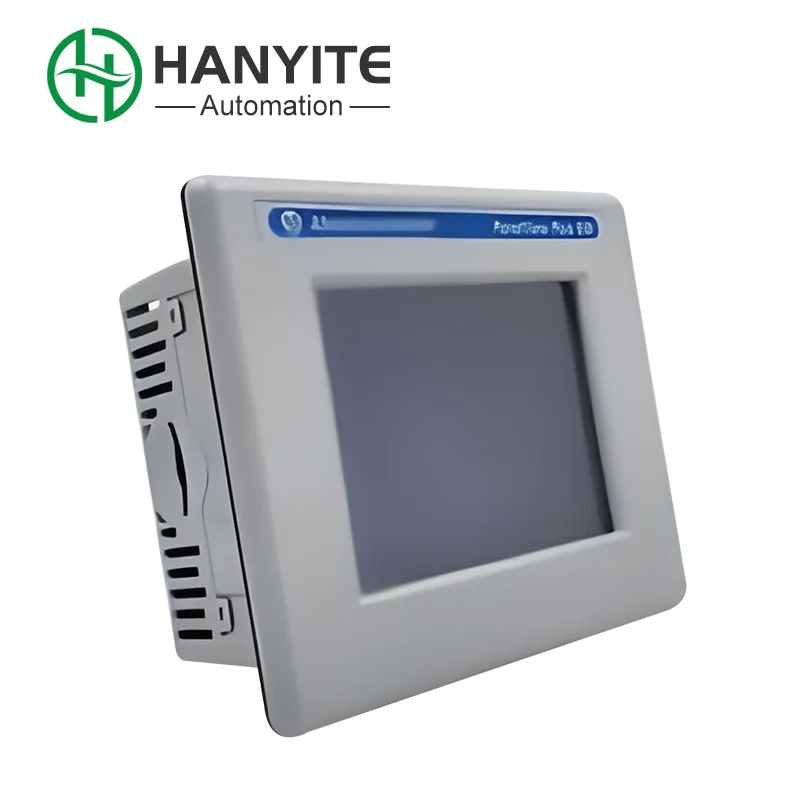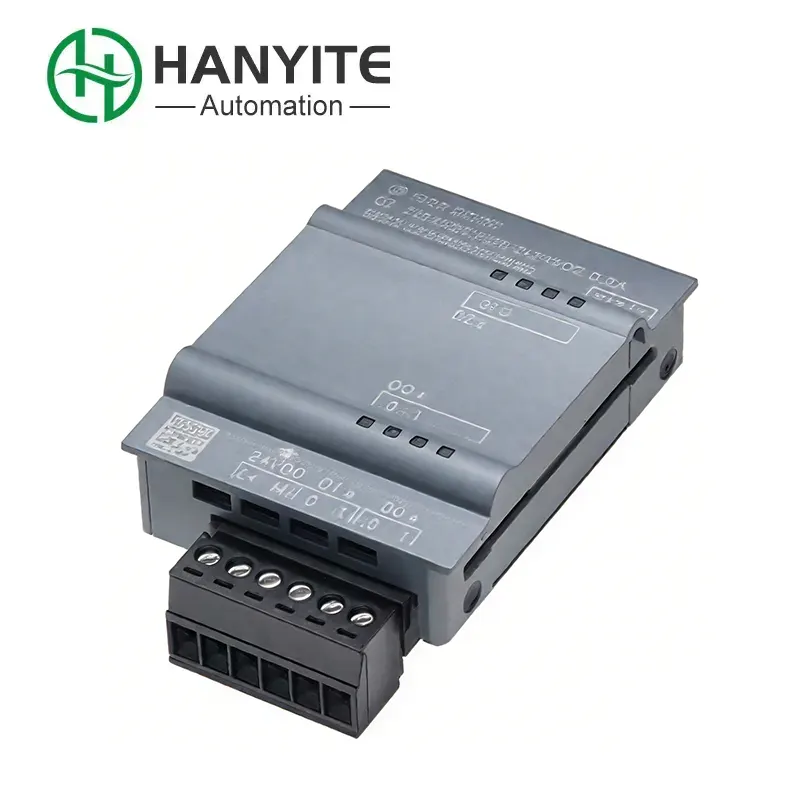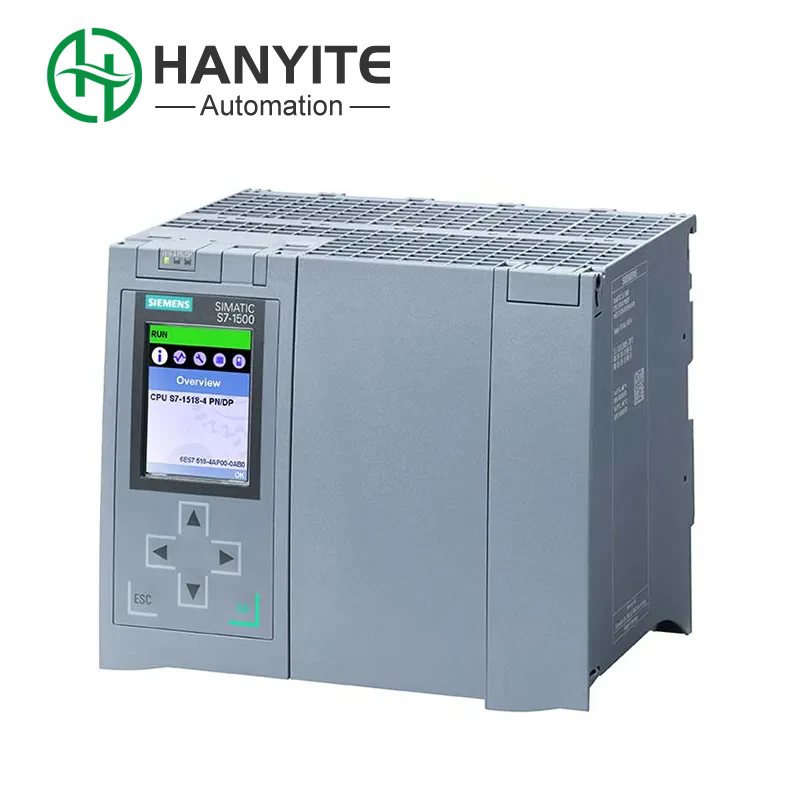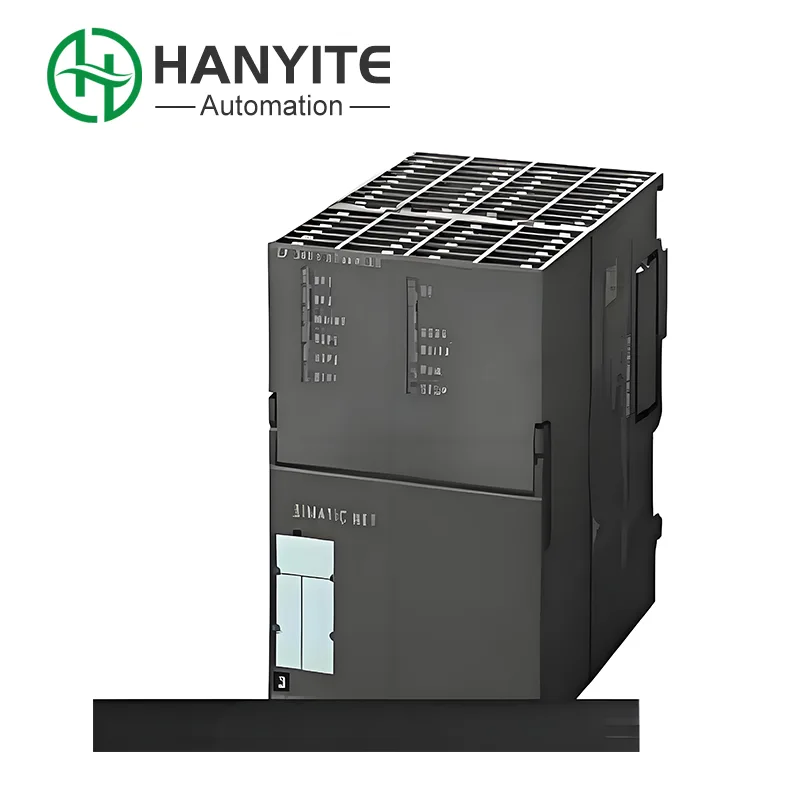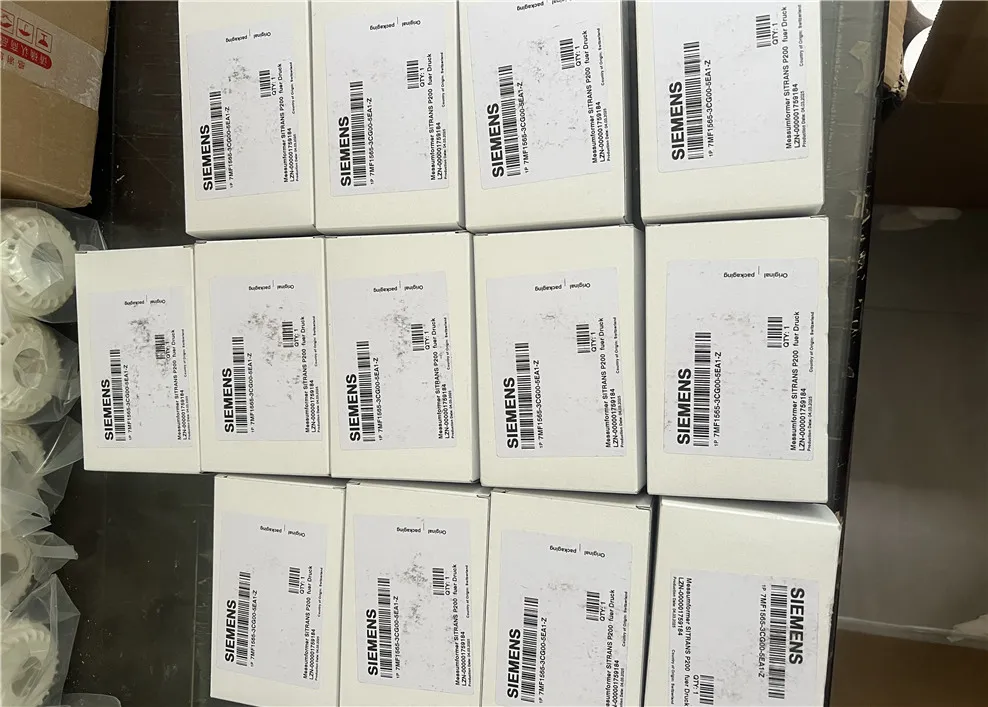



Precise temperature control for high-temperature kilns and chemical reaction vessels often relies on multi-channel thermocouple signal acquisition. The Allen Bradley 1771-TCM, with its local I/O backplane, directly connects and precisely adapts to such demanding conditions with wide-temperature cold-end compensation. This module is powered by the rack backplane without the need for an external power supply.
Compared to traditional temperature control transmitters, it eliminates the need for sequential analog quantity conversion and wiring, directly digitizing millivolt signals and significantly reducing wiring and drift errors within the cabinet. After verification by Hanyite Automation Technology with Suppliers, the current Buy channel is smooth and brand new products are in stock, providing reliable hardware support for the upgrade of production line temperature measurement systems.
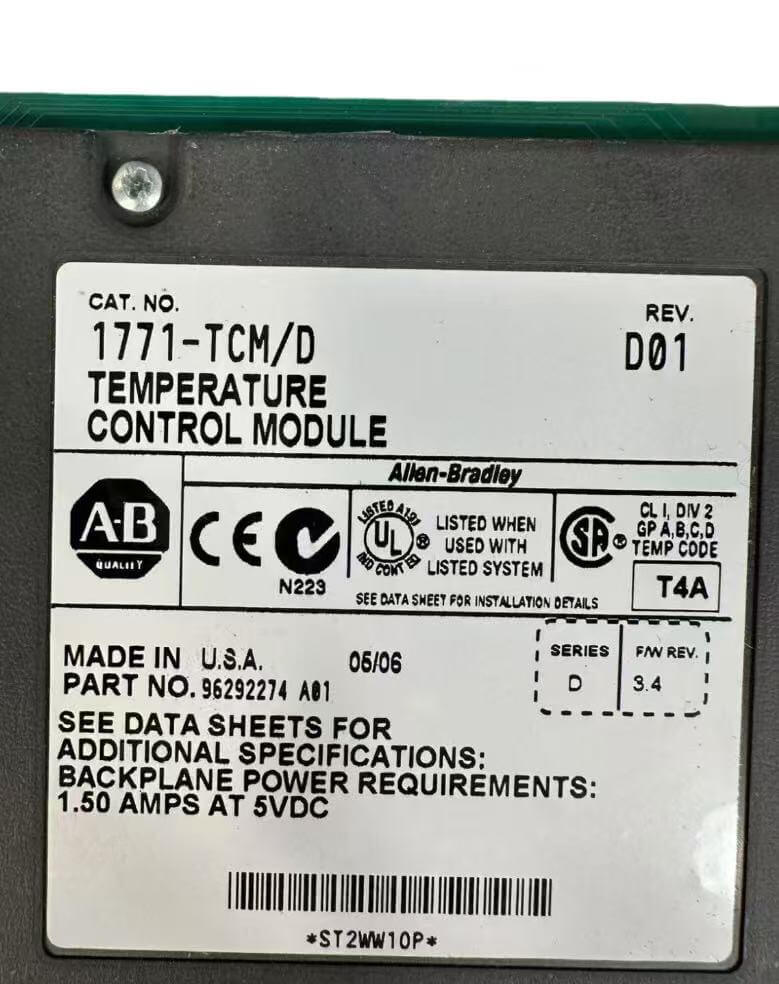
Operators can quickly complete the matching of channel parameters by simply setting through the front-end simplified dip switches, without the need for complex software configuration. The panel indicator light combination of Allen Bradley 1771-TCM can intuitively reflect the real-time status of thermocouples and communication, with extremely high on-site recognizability. The signal acquisition threshold and filtering parameters are all preset based on engineering logic, significantly reducing the frequency of manual intervention and the risk of misoperation.
This module is specially designed for heavy industrial conditions. Allen Bradley 1771-TCM can maintain the accuracy of thermocouple cold junction compensation within a wide temperature range of -25°C to +65°C. It can also maintain the physical stability of internal electronic components even in strong vibration and dusty workshops. Its circuit board is processed by the molding coating technology, effectively blocking the erosion of humid air and conductive dust, ensuring the reliability of measurement in harsh environments such as metal smelting or chemical industries for long-term operation.
The module adopts a standard rail insertion-type base plate installation structure. During on-site replacement, it only requires disconnecting the wiring terminal block and releasing the lock to complete the insertion and removal, with extremely short time consumption. The channel fault isolation design of Allen Bradley 1771-TCM allows for independent troubleshooting when a single path is damaged, without the need for the entire machine to be offline for repair. Combined with the system self-diagnosis function, maintenance personnel can quickly locate potential issues such as sensor breakage or short circuits, significantly reducing the downtime waiting period on the production line.
Q1 Does this module support hot-swappable installation?
Hot-swapping operation is not supported. Before plugging in or rewiring, the power supply of the rack must be cut off. Otherwise, it is likely to cause damage to the backplane circuit.
Q2 How many I/O slots does the module baseboard require?
According to the system configuration requirements, this module typically occupies a standard 1771 I/O slot.
Q3 How to select and configure the thermocouple type?
The thermocouple type is selected and configured through the micro DIP switch on the front of the module. After power-off, manual switching can be performed according to the label diagram on the side.
Q4 Can it communicate directly with the Ethernet control layer?
It only supports 1771 local I/O backplane communication. If you need to connect to the Ethernet, you need to use the corresponding gateway module of the 1771 series.
Q5 What fault does the continuous flashing of the channel indicator light after power-on indicate?
The flashing usually indicates that the input of this channel is disconnected or the polarity of the thermocouple is reversed. You need to power off and check the wiring status of the temperature measurement element on site.
Address
No. 169, Xinggang 2nd Li, Haicang District, Xiamen, China
Tel