
Abstract
Industrial automation systems require stable signal processing, reliable communication and accurate data acquisition to maintain continuous operation. The Siemens 6DL3100-8AA AddFEM front-end module is designed for high-speed automation applications where multiple input and output signals need to be processed efficiently. Understanding its functions, compatibility and application requirements helps engineers select suitable automation components for existing control systems.
The module is commonly associated with turbine control and industrial process applications, providing distributed signal processing through PROFIBUS DP communication. Its configuration includes analog and digital signal channels, allowing integration with different automation architectures.
Click the sections below to explore the complete guide:
1. Overview of the Module Function
Modern automation equipment often requires fast response and accurate signal exchange between field devices and control systems. A front-end module works as an important connection point between sensors, actuators and higher-level controllers by collecting and processing industrial signals.
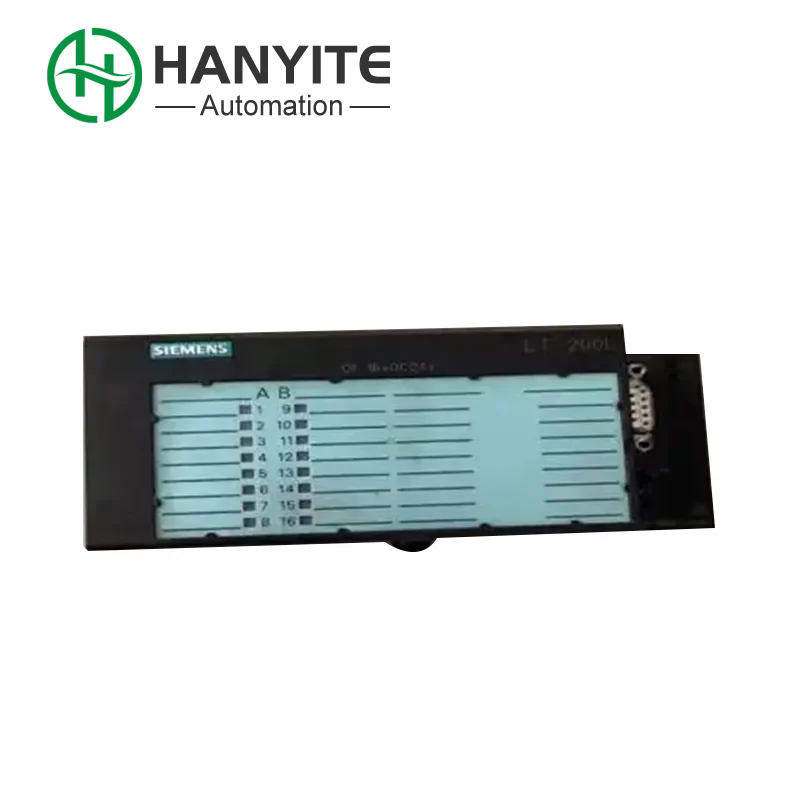
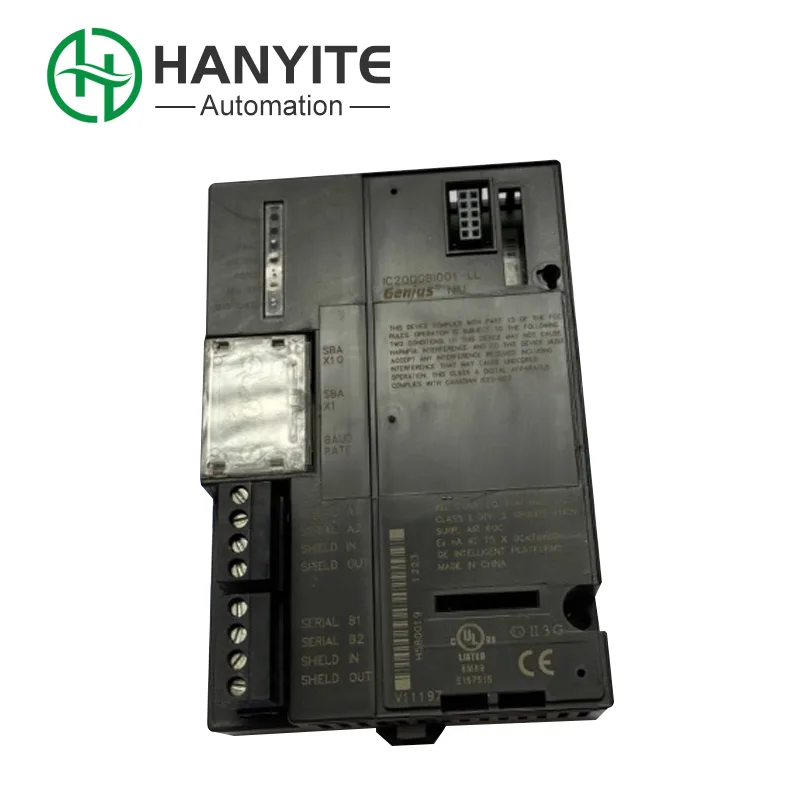
The Siemens 6DL3100-8AA belongs to the AddFEM product family and is designed for front-end signal processing in automation environments. The module supports PROFIBUS DP communication and provides multiple channels for analog and digital signal handling, making it suitable for applications that require distributed processing.
Main Functional Features
- Supports distributed signal acquisition and processing in automation systems.
- Provides multiple analog and digital input/output channels for industrial control requirements.
- Uses PROFIBUS DP communication for data exchange with automation controllers.
- Supports integration with systems requiring fast signal response and coordinated control.
2. Signal Processing and Communication Capability
Signal accuracy and communication stability are important factors in industrial automation. When equipment operates continuously, the control system must receive reliable information from connected sensors and field devices.
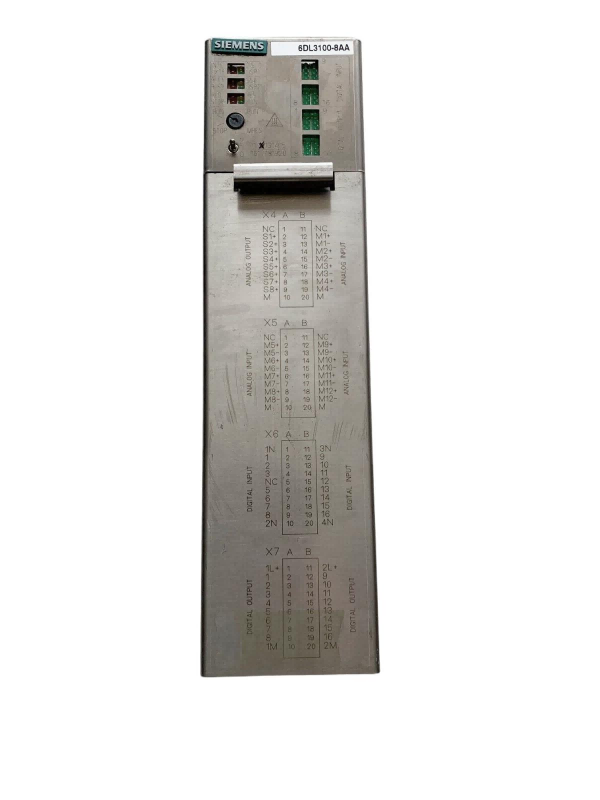
The Siemens 6DL3100-8AA provides a combination of analog inputs, analog outputs, digital inputs and digital outputs. This configuration allows different signal types to be collected and transmitted according to the requirements of the automation system.
| Function | Description |
|---|---|
| Analog Inputs | Used for collecting industrial measurement signals from connected devices. |
| Analog Outputs | Supports output signals for connected control components. |
| Digital Inputs | Receives switching status and digital field information. |
| Digital Outputs | Transfers control commands to external equipment. |
| Communication | Uses PROFIBUS DP interface for industrial data exchange. |
3. Industrial Applications and System Integration
Industrial automation projects often include various field devices, monitoring systems and control units. A suitable front-end module helps simplify signal management by moving some processing tasks closer to the equipment side.
The Siemens 6DL3100-8AA can be applied in automation environments where distributed signal acquisition and communication are required. Typical applications include power generation equipment, process control systems and industrial installations that use Siemens automation platforms.
Common Application Areas
- Power generation systems requiring continuous monitoring and control of operating parameters.
- Industrial process equipment where multiple field signals need centralized management.
- Automation cabinets requiring flexible signal expansion and communication connection.
- Control systems that use distributed I/O structures to improve installation flexibility.
During system integration, engineers usually consider factors such as communication protocols, available installation space, signal types and controller compatibility. Matching the module specifications with the existing automation architecture helps maintain stable communication between field devices and the control level.
Compatibility Considerations for Automation Projects
When replacing or expanding automation components, compatibility is one of the main factors that should be evaluated. The electrical connection, communication method and configuration requirements need to correspond with the existing control system.
- Confirm the communication interface and network configuration before installation.
- Check whether the available channels match the required field signal types.
- Review system configuration requirements to ensure proper commissioning.
- Consider environmental conditions such as temperature, installation location and operating conditions.
4. Key Points Before System Replacement
Automation systems are often designed for long service periods, so component replacement requires careful evaluation. A suitable replacement module should not only match the technical specifications but also fit the overall system configuration.
The Siemens 6DL3100-8AA should be evaluated according to the existing hardware environment, communication structure and application requirements. Checking these details before installation can help reduce configuration issues and improve system integration efficiency.
| Evaluation Item | Important Considerations |
|---|---|
| System Compatibility | Confirm connection methods, controller requirements and communication settings. |
| Signal Requirements | Verify the number and type of required input and output channels. |
| Installation Conditions | Check cabinet layout, wiring arrangement and operating environment. |
| Configuration Process | Prepare necessary system parameters before commissioning. |
5. Frequently Asked Questions
What is Siemens 6DL3100-8AA used for?
It is used as an AddFEM front-end module for industrial automation systems, supporting signal acquisition, processing and communication between field devices and control systems.
Which communication method does this module support?
The module supports PROFIBUS DP communication, allowing data exchange within compatible automation architectures.
What signals can be connected to the module?
The module supports different analog and digital signal channels, including input and output functions depending on the system configuration.
What should be checked before replacing an existing module?
Engineers should check communication compatibility, wiring configuration, signal requirements and system parameters before replacement.
Why is front-end signal processing important in automation systems?
Front-end processing helps organize field signals before they are transferred to the control system, supporting more efficient communication and system management.