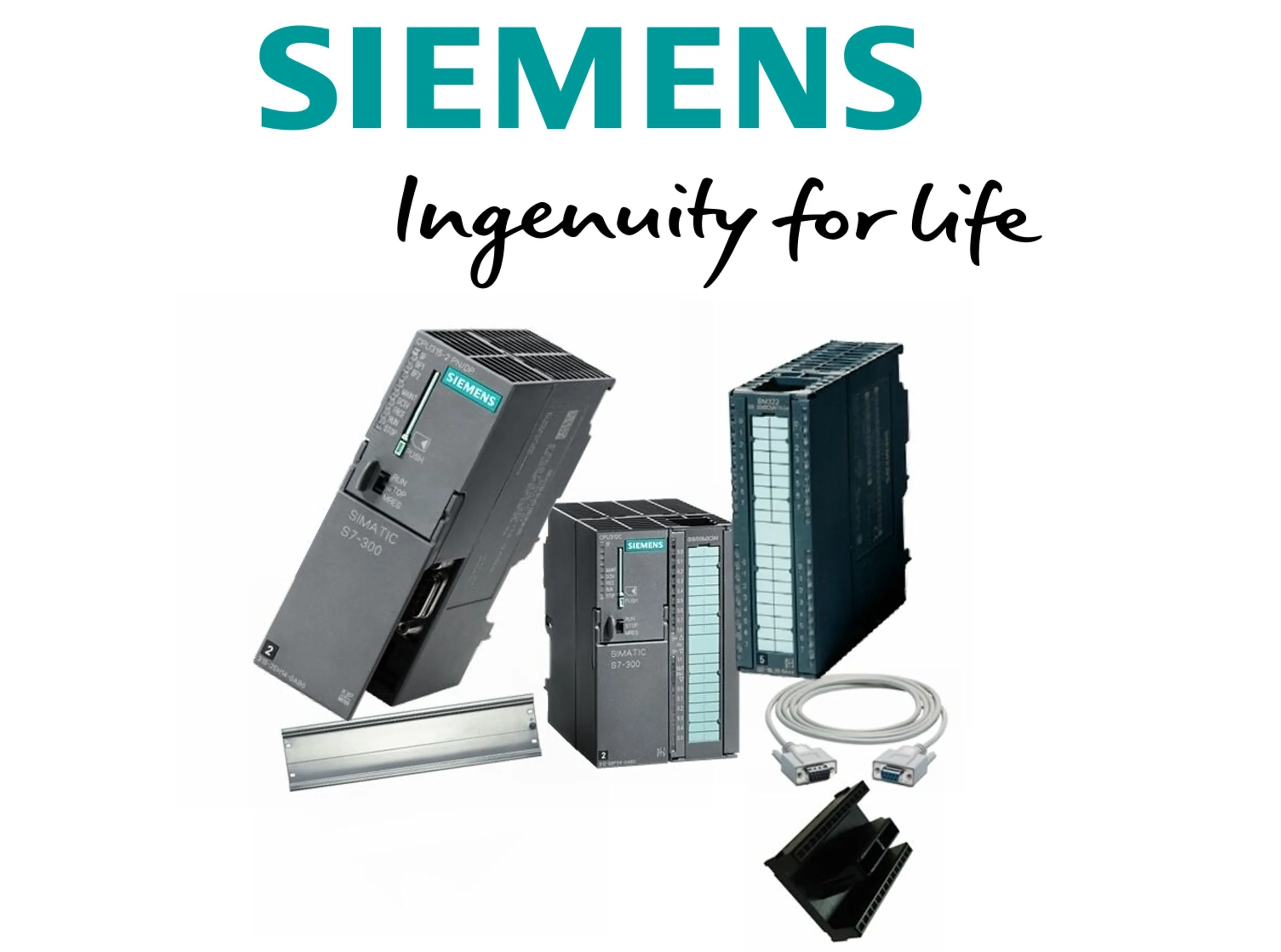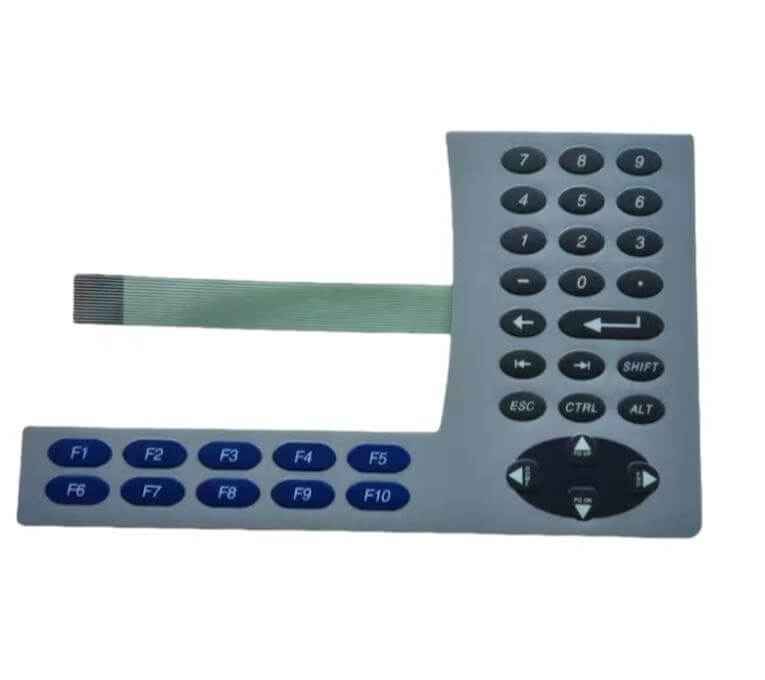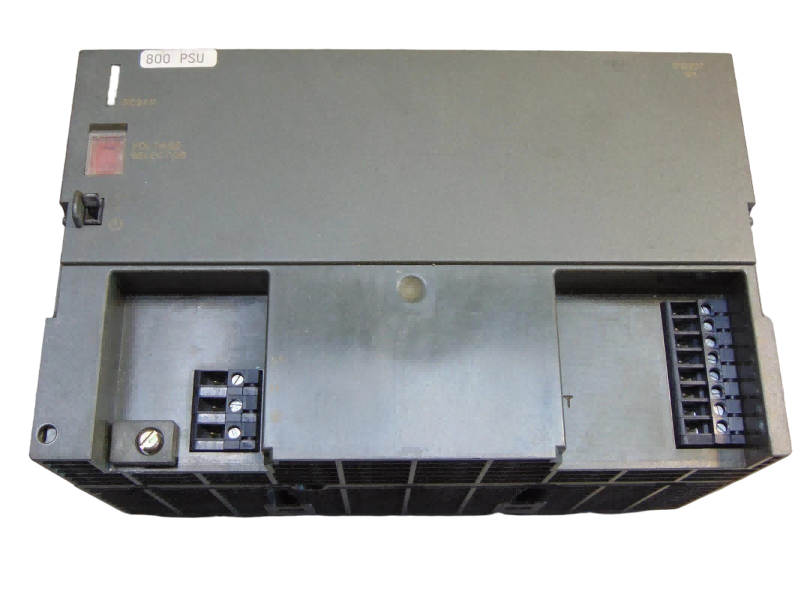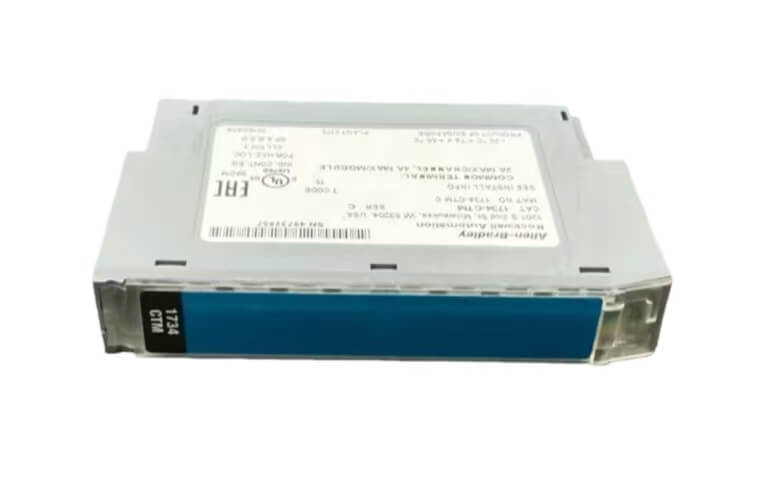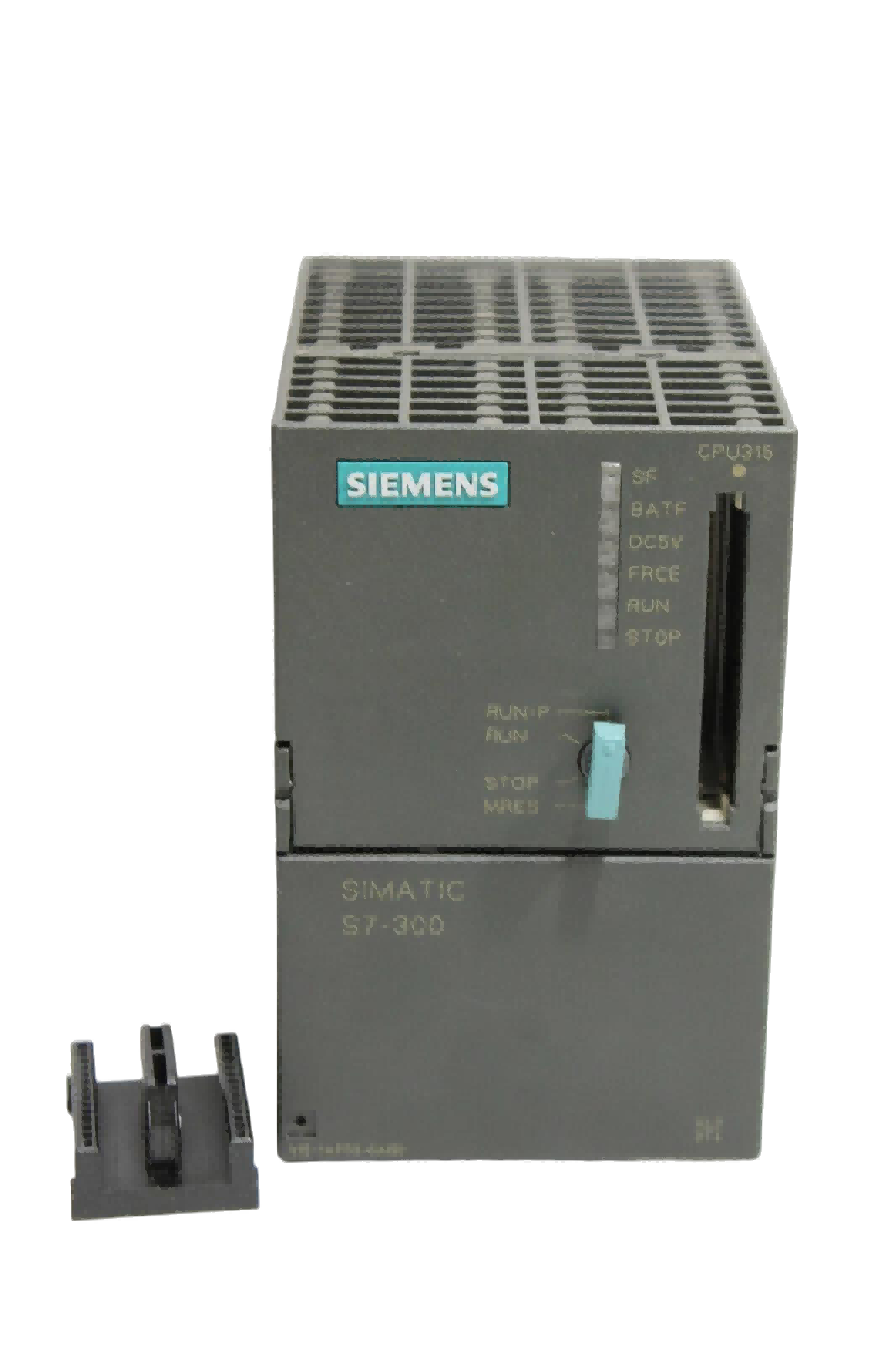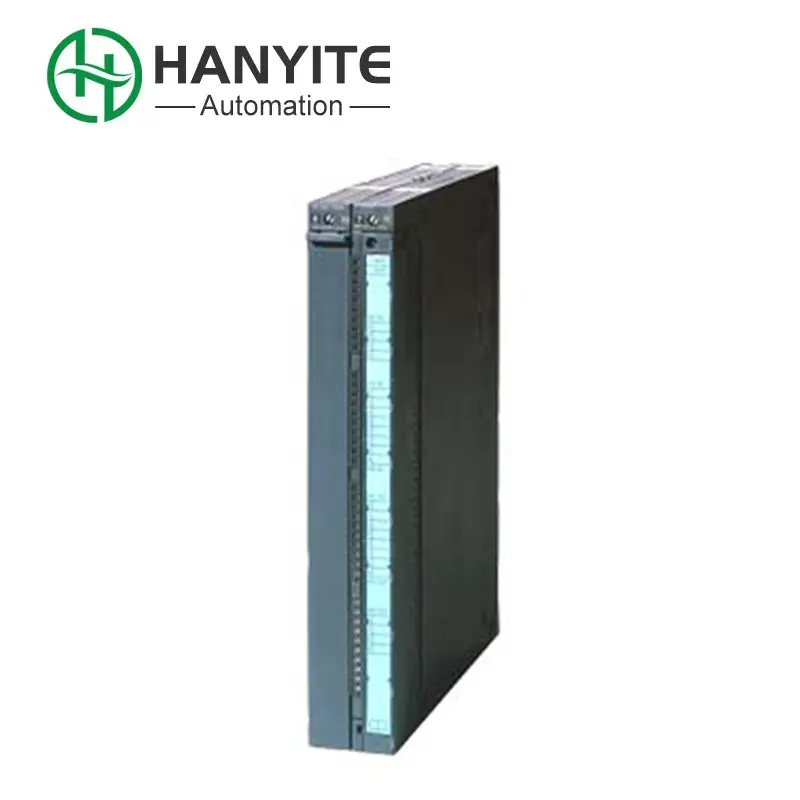

The Siemens 6ES7131-1BL00-0XB0, a high-performance digital input module from the SIMATIC S7-300 series, is engineered for precision, durability, and seamless integration within industrial automation systems. Designed for applications that demand stable signal acquisition, long-term reliability, and flexible scalability, this module plays a critical role in ensuring accurate data transmission from field devices to the PLC.
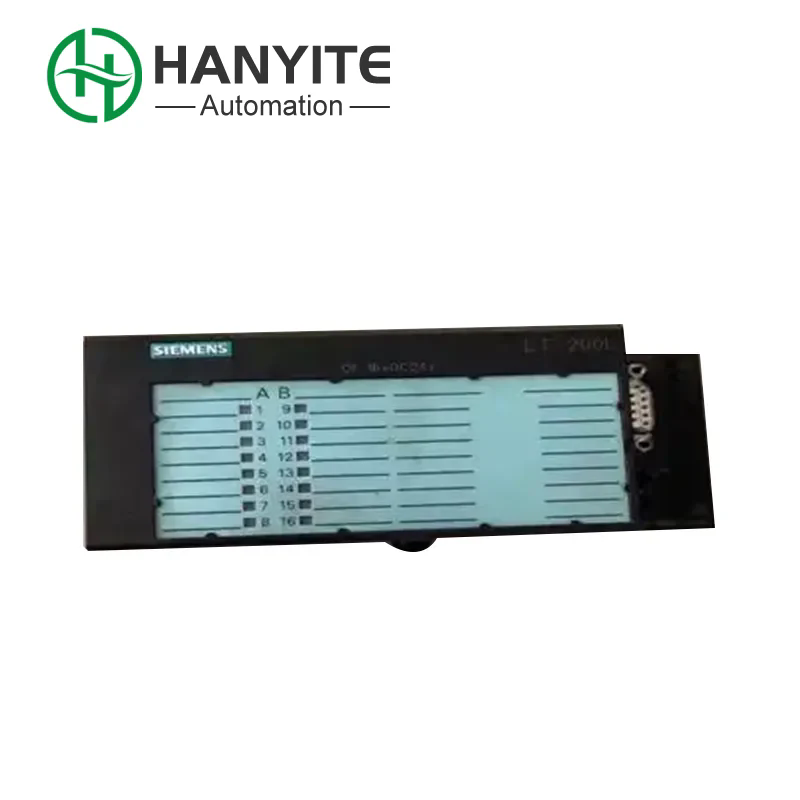
Below is a technical overview displaying its core specifications in a clear, professional format.
| Parameter | Description |
|---|---|
| Product Type | SIMATIC S7-300 Digital Input Module |
| Module Variant | SM 131, Digital Input 16×DC 24V |
| Input Type | 16-channel, 24V DC |
| Input Delay | Approx. 3.0 ms (typical) |
| Isolation | Yes, galvanic separation between channels |
| Connection Type | Front connector (40-pin) |
| Mounting | S7-300 rack/DIN rail compatible |
| Power Consumption | Low-power design for efficient operation |
| System Compatibility | SIMATIC S7-300, STEP 7 programming environment |
| Certifications | Industry-compliant electrical and environmental standards |
| Typical Use Cases | Manufacturing automation, machinery, production lines, process monitoring |
The Siemens 6ES7131-1BL00-0XB0 was developed to address the increasing demand for dependable signal detection in rapidly evolving automation environments. With its 16-channel input design, stable 24V DC signal processing, and built-in isolation, the module ensures clean data acquisition even in facilities exposed to high electrical noise.
Its design helps reduce downtime by minimizing false triggering, supporting consistent operations across conveyor systems, packaging machinery, robotic cells, and distributed I/O stations. The module’s compact size allows dense installation without adding complexity to the control cabinet, making it ideal for environments where operational efficiency and space utilization are priorities.
Core advantages supporting automation reliability include:
High Immunity to Electrical Noise: Ensures accurate signal capture in factories with variable-speed drives, servo motors, and welding equipment.
Stable Response Time: The optimized input delay allows predictable performance in time-sensitive processes.
Robust Mechanical Construction: Designed for sustained operation across temperature variations and mechanical vibration.
Flexible Integration: Compatible with Siemens engineering tools, making commissioning fast and error-free.
Together, these features enable continuous production, reduced diagnostic effort, and increased system uptime.
A meaningful comparison with competing modules demonstrates why the Siemens 6ES7131-1BL00-0XB0 continues to be favored in international markets. While many digital input modules offer basic functionality, the difference lies in long-term stability, support ecosystem, and integration compatibility.
Integration within the SIMATIC Ecosystem
The module works seamlessly with the S7-300 architecture, ensuring synchronization with other I/O modules and PLC units. Its compatibility with STEP 7 software streamlines engineering tasks—from configuration to diagnostics.
Superior Diagnostic Capabilities
Troubleshooting is simplified through clearly defined status indicators and error reporting structures. These features help maintenance teams identify wiring issues, power inconsistencies, and sensor faults efficiently.
Lower Total Cost of Ownership
Although engineered for premium performance, the module offers cost benefits through:
Reduced maintenance hours
Extended service life
Improved operational continuity
Proven Durability in Harsh Environments
Many alternative modules struggle in industrial settings with heavy dust, humidity, or constant mechanical stress. The Siemens 6ES7131-1BL00-0XB0 is built to provide long-term reliability across these conditions.
Scalability for Distributed Control Systems
Modular design allows easy expansion as production lines grow. This makes it suitable for evolving manufacturing setups and industries transitioning toward higher automation levels.
By evaluating these factors, industries often select the Siemens 6ES7131-1BL00-0XB0 not only for its technical performance but also for its operational sustainability.
Industrial automation is undergoing rapid transformation driven by increased digitalization, smarter sensors, and interconnected control architectures. These shifts will shape how input modules like the Siemens 6ES7131-1BL00-0XB0 operate in the years ahead.
Rise of Industrial IoT (IIoT)
Future modules will increasingly integrate with intelligent networks where field devices transmit more than just ON/OFF signals. Enhanced diagnostic information, modular intelligence, and remote configuration will become more common.
Higher Emphasis on Cybersecurity
As control systems become more connected, protection against unauthorized access and data corruption will become essential. Input modules will likely incorporate more secure communication protocols and hardware-level protections.
Miniaturization with Increased Functionality
Manufacturers will demand smaller modules capable of processing more signals without expanding cabinet space. This will lead to compact, power-efficient designs with improved heat management.
Predictive Maintenance Integration
Modern systems increasingly require real-time monitoring of component health. Future digital inputs may include embedded analytics to detect performance drift or impending failure.
Greater Compatibility Across Platforms
As industries adopt mixed-vendor automation solutions, cross-platform operability will become more valuable, supporting flexible upgrading and reduced downtime.
Even as new technologies emerge, the Siemens 6ES7131-1BL00-0XB0 remains a dependable choice for established S7-300 environments. Its stability and compatibility ensure it will continue to support hybrid architectures where legacy and modern systems operate together.
Choosing the right digital input module requires understanding application requirements, installation conditions, and long-term operational expectations. The Siemens 6ES7131-1BL00-0XB0 is widely used across machinery industries, conveyor automation, packaging plants, assembly systems, and distributed I/O stations.
Identify Input Signal Requirements: Match sensor characteristics with the module’s 24V DC input compatibility.
Evaluate Environmental Conditions: Consider vibration levels, humidity, and potential exposure to electrical noise.
Plan for future expansion: Ensure that the chosen module supports additional channels or integration of further I/O blocks.
Review power distribution: Confirm stable power supply to avoid false triggering or signal loss.
Use shielded cables in electrically noisy environments.
Ensure proper grounding to maintain module stability.
Follow Siemens wiring standards to reduce commissioning time.
Monitor diagnostic LEDs for quick troubleshooting.
Conduct periodic inspections of wiring integrity.
Clean control cabinets to avoid dust accumulation.
Record error logs for predictive maintenance analysis.
Replace aged connectors to maintain signal quality.
Q1: What types of sensors can be connected to the Siemens 6ES7131-1BL00-0XB0?
A: The module supports 24V DC digital sensors, including proximity switches, limit switches, photoelectric sensors, push-button interfaces, and other binary-signal devices. Its galvanic isolation ensures stable operation across a wide range of sensor types, even in electrically noisy environments.
Q2: How can system troubleshooting be improved using this module?
A: The 6ES7131-1BL00-0XB0 includes status LEDs for each channel and integrated diagnostic support within the STEP 7 environment. These features help engineers quickly identify wiring errors, power inconsistencies, or faulty sensors, minimizing downtime and ensuring continuous production.
The Siemens 6ES7131-1BL00-0XB0 continues to play a vital role in modern automation systems by providing stable signal acquisition, high reliability, and long-term scalability. Its robust performance makes it suitable for demanding industrial environments, while its compatibility with the SIMATIC ecosystem ensures efficient deployment and maintenance. As automation technologies evolve, the module’s durability and precision will remain valuable for companies that rely on dependable digital input processing.
For businesses seeking reliable Siemens automation products, Hanyite offers professional support, high-quality sourcing, and comprehensive product solutions.
If additional assistance or product consultation is needed, contact us to receive customized guidance tailored to your application requirements.